Showing posts with label gay men's health. Show all posts

Monday, December 31, 2012

The BEST of Lifelube - "How is Sanford Gaylord healthy?" From Wednesday, October 6, 2010


How is Sanford Gaylord healthy?


One of the best things that I have done in keeping healthy is to realize that I am a work in progress; maintaining my health and staying healthy is an ongoing process.


How am I healthy? That is a good question. I think realizing that I was not healthy for awhile and deciding to set goals and take the steps to be a healthier person is one of the best things I could have done for myself. As they say, “acceptance is the first step.”

I have learned, that it is easy to fall into a rut and isolate, so that means turning off the computer, picking up the phone and talking instead of texting. I try to see friends and family in person and find things to do outside of the house as much as possible.

I also try to find the joy in life and laugh as much as possible. Finding joy keeps me healthy mentally. The arts have always brought me joy. As an actor and I recently was able to perform again after a long hiatus and am lining up future engagements.

Being a “grown up” is not easy; it is full of stress. I try to find some form of physical activity to deal with stress instead of my vices. I take walks and ride my bike to the park or the lakefront path. When I drive, I park a few blocks away from to my destination. I have learned to use portion control and moderation when it comes to food and vices.

I believe that I am fortunate, even blessed to have gone from testing positive for HIV in my youth and reaching middle age. One of the best things that I have done in keeping healthy is to realize that I am a work in progress; maintaining my health and staying healthy is an ongoing process.

The small steps you take can lead you to the big goal. After years of procrastination, I will be joining a gym this month to continue those small steps in maintaining my mental and physical health.

-- Sanford Gaylord
Chicago


How are you healthy?

Sunday, December 30, 2012

The BEST of Lifelube - "Hey! Keep Your Booty Healthy and Happy with Regular Pap Smears" From Tuesday, December 28, 2010


Hey! Keep Your Booty Healthy and Happy with Regular Pap Smears


via AlterNet, by Antoine B. Craigwell


While anal cancer isn’t that common it’s preventable. But you can only prevent anal cancer if you know you have HPV, are screened and have the precancerous areas treated. You can only do this if you live in an area where anal-pap-smear testing is available and resources exist to provide preventive follow-up.

Early one fall morning, 26-year-old Mark Ramos (not his real name) walked into the New York-based Callen-Lorde Community Health Center for a routine medical check up. After several questions about his sexual practices, Mark consented to a rectal exam. He dropped his pants and underwear and climbed up on to the exam table in a kneeling position. The doctor cautioned that he would feel a slight discomfort as he swabbed Mark’s anus and took the male equivalent of a pap smear. Two weeks later, Mark received a call and was advised that the pap smear revealed that there was a suggestion of the presence of abnormal cells and was invited to come in for a colposcopy, a more thorough examination; the male equivalent of a cervical exam.

Except for that heightened fashion sense, creativity, artistry, and culinary skills, men who have sex with men (MSM) do have at least one thing in common with women: one of the effects of the human papilloma virus (HPV) which causes cervical cancer in women and anal cancer in MSM. Over the years knowledge and treatment for this virus has gradually “come out” of the classification as a women only problem, where more and more MSM are receiving examinations, screenings, and treatment, if precancerous cells are discovered. Anal cancer came to prominence recently with the death of Farah Fawcett.

Read the rest.


Also of butt health interest:

HPV
Yes, I’m Talking to You! A Conspiracy of Silence about Gay Men’s Anal Health 
via White Crane Journal, by Jeff Huyett

Anal Cancer Info, via UCSF Department of Medicine

Saturday, December 29, 2012

The BEST of Lifelube - "LifeLube is birthed!" From Monday, August 13, 2007


So, what is it about anal sex?


[From our friends atMen Seeking Men - New Zealand]


Why is anal sex risky for HIV infection?


Anal sex is extremely risky for HIV infection because of the way the inside
 of your arse works. Cum that goes in is absorbed directly into the bloodstream through the lining of the arse. That part of your body isdesigned to absorb moisture rapidly – which is why medicines aresometimes administered anally.
The moist lining of inside your arse also acts as a major reservoir for HIV. This affects the transmission of the virus in both directions - for the guy doing the penetrating as well as the guy being penetrated.
Australian research has shown that up to one in five men who got HIV through unprotected anal sex was only ever a Top.
If you have anal sex without a condom HIV can enter the end of your dick during sex and cause infection (just like sexually transmitted infections such as gonorrhoea). If you’re uncut, delicate areas on the inside of your foreskin can also trap the HIV virus and allow it to enter your body.
It is sometimes suggested that anal sex always causes injury, resulting in cum mixing with blood. Wrong. Careful penetration is unlikely to harm you.

What about oral sex?

Sucking dick isn’t a high-risk activity for HIV because the lining of the mouth is strong, and saliva also contains protective properties.
Pre-cum – the clear fluid that oozes out when you’re very horny – can contain HIV but only in quantities so small they’re not considered to be a significant risk of HIV transmission for oral sex.
Getting cum in your mouth increases the risk. Neither spitting it out nor swallowing seems to make it less or more risky, it’s the length of time it's in your mouth that’s important (the shorter the better).
Looking after your mouth will reduce the risk for oral sex. The likelihood of oral HIV transmission increases if you have cuts, ulcers or abrasions in your mouth, a sore throat, tonsillitis or gum disease. This is because they create entry points into your blood stream. Flossing or vigorous brushing before sex can also break the skin on your gums.

Thursday, March 8, 2012

If We Knew What We Know Now...


Would we have stopped AIDS? It is a valid question to ask, as the world has been aware of this epidemic for over 30 years.

GMHC was passionately and courageously created 30 years ago by a group of gay men who did not know how far-reaching and devastating this disease would be to all corners of the Earth.

We know through retrospective epidemiological data that the first confirmed American AIDS death occurred in 1969: a 15-year-old, sexually active young man in Saint Louis, Mo. who had never traveled abroad.

And by the time HIV was isolated and identified in 1981, it had already found its target communities: people who have engaged in anal sex, injection-drug users, breastfed infants, and individuals who received medically sanctioned human tissue (i.e., donated blood or organ transplants).

During the early '80s in the States, a strong cultural shift had just occurred, from "free love" and "live and let live" to the conservative Christian movement led by Jerry Falwell.

The Moral Majority had become a major player in the political field, which led to the election of President Ronald Reagan. The policies that would shape America for the next eight years would also mold America's response to the introduction of AIDS into the lives of countless individuals and the American lexicon.

Due to advances in diagnosis and treatment of the virus, in addition to the political activism of the direct and indirect victims of HIV/AIDS, the virus is no longer a death sentence for the estimated 1.2 to 1.5 million Americans who are affected, according to the Centers for Disease Control and Prevention (CDC).

But lest we forget, these data, which seem so large, are a measure of the prevalence of HIV/AIDS in 2011. Thirty years ago, that number was exponentially smaller.

Imagine an America that only had around 10,000 to 20,000 persons with HIV/AIDS, and a world that may have had about 70,000 to 100,000 total cases.

Couple that information with the knowledge that a muted health care response would eventually lead to 2 million deaths annually. Would it have been morally acceptable to demonize particular populations?

We have all heard countless justifications for why some people "got it," without any level of sympathy. These sentiments are based on racism, sexism, homophobia, classism, and/or prejudice against addicts.

Typically, bleeding hearts only pour out to individuals who are considered without fault in their HIV status, such as newborns or hemophiliacs.

After 30 years of AIDS, we know what works and, more importantly, what does not work. We know that first and foremost, education is the greatest deterrent to infection (if one is HIV-negative) or infecting another person (if one is HIV-positive).

Furthermore, we have seen the effect of readily available medication (anti-retroviral drugs) on the level of impact that HIV/AIDS has on an individual and on a community. And we have seen effective public health initiatives that have saved countless lives, domestically and internationally (e.g., syringe needle exchanges).

Moreover, after 30 years of AIDS, we know that our leaders have a choice of when, how, and to whom any and all interventions are available. To the ultimate detriment of 20 million people each year, those interventions are often not available, sometimes due to funding, and sometimes due to normative culture values that punish those most in need: the world's outcasts.

It is not being cynical to suggest that if we knew then what we know now, all possible barriers to the spread of HIV/AIDS would have been enacted.

Even in 2011, Congress has taken actions that will diminish headway in the fight against HIV/AIDS. Reinstating the federal ban on syringe-exchange funding, coupled with funding for abstinence-only education, unfortunately shows a trade of proven-effective health policy for proven-ineffective actions.

As HIV public health advocates, our hope is that the correct actions are taken so that in a few decades, we do not look back and wonder why the tools that we have today were not utilized. There is no viable excuse for knowing now what we already know and still not doing the right thing.


Read the rest

Monday, March 5, 2012

Gay Men's Support Group to discuss ED

via sdgln, by SDGLN staff

Gay men with erectile dysfunction (ED) will meet Saturday, March 10, in Southern California to talk about their common experiences and find ways to connect around impotence.

Gay men have long faced homophobia when seeking care for problems common to both gay and straight men.

Many gay-focused national nonprofits have long histories of helping gay men with diseases such as prostate cancer and HIV/AIDS.

Now, for the first time, gay men will be meeting to discuss ED among men who enjoy sex with men.

“Gay men experience health issues from their unique perspective, but, health care professionals continue to ignore this, causing needless harm to thousands upon thousands of gay men who experience erectile dysfunction,” said Darryl Mitteldorf, LCSW, executive director of the national men’s cancer survivor nonprofit organization, Malecare Cancer Support, which is involved in the meeting.

“Malecare wants all gay men to find the help they need, from men who care about them and we are proud that one of our support group leaders, Dennis Bogorad, has developed a supportive meeting focused on erectile dysfunction,” Mitteldorf said.

This social gathering will offer single gay men with erectile dysfunction a chance to meet other gay men with erectile dysfunction.

It will be a chance for men to mix and mingle in a no stress environment, share experiences, make new friends or maybe meet the love of their life.

“This is one silent sexual issue both gay and straight men share in common," said Bogorad, a film producer who volunteers as leader of the gay men with prostate cancer support group that is co-sponsored by Malecare Cancer Support and the Cancer Support Community at the Benjamin Center in Los Angeles.

Gay men are best supported by each other, in a gay friendly atmosphere, organizers said.

Erectile dysfunction may be caused by many different diseases, such as diabetes, high blood pressure, cancer, HIV, antidepressants, prostate issues, physical injury, aging and more.

Although the cause may vary, the life changes resulting from ED can challenge the quality of life for many gay men.

Unfortunately, caregivers, medical professionals and advertisements present treatment options and social remedies almost always from a heterosexual point of view.

Success with this first gay men and erectile dysfunction event will likely lead to similar events throughout the United States.


Read the rest

Friday, March 2, 2012

Over 30,000 opt-in to Gaydar's STI Notifications

via sayencrowolf, by Sayen CroWolf

31,714 Gaydar members in the UK have opted in for the Sexual Health Messaging Service in the three months since it launched on 29 November last year.

The messages are also available on Fitlads, Recon and Manhunt.

But with 2.2 million Gaydar profiles registered in the UK, gay men’s health charity GMFA is urging more to opt in to the service.

GMFA’s Matthew Hodson said, “If you’ve ever been diagnosed with an STI you probably will have been encouraged to get in contact with as many shags from the last few months as possible.

“This can be really hard for some people, and no-one likes to ring their buddies, lovers or one-night stands to let them know they may have an STI.

Our partner notification service is designed to make the task that much easier and now, with so many gay men on Gaydar opting into the system, the chances of contacting your partners are better than ever.”

The Sexual Health Messaging Service, sometimes referred to as Partner Notification, is funded by a grant from the Elton John AIDS Foundation.

Men diagnosed at a participating clinic can be given a unique code for use on the website.

There, contact information for recent partners can be typed in: mobile phone numbers, email or a profile name from a participating dating website.

They are then sent an automated message, alerting them to the fact that they should get themselves checked out.

The messages can be anonymous if you prefer, but backers say recipients are more likely to take action if the sender is identified.


Read the rest

Monday, February 27, 2012

Porn Flicks or Virtual Coliseum?

via HuffPost Gay Voices, by John-Manuel Andriote

Pornographers are aroused and growling over a new Los Angeles law that will require adult film actors to wear condoms in sex acts well known to be high-risk for HIV and other sexually transmitted diseases.
The filmmakers call the new law "government overreach."

They argue that monthly HIV tests should be sufficient to prevent the virus from slipping into the mix of fluids splashing about the set and unwittingly infecting an actor while on the job.

The Los Angeles Times reported that companies are threatening to move out of the city, taking with them as many as 20,000 jobs for actors, makeup artists, camera crews, caterers, and the abundance of talent and services that makes L.A. a magnet for movie makers of all sorts.

The Los Angeles City Council passed the law, which takes effect March 5, after reports of actors becoming infected with HIV while pursuing their line of work.

Former adult film actor Derrick Burts, who tested HIV-positive in 2010 and was told he was infected by a fellow performer, was quoted in the Times as saying, "It's a broken system that they have in place. What performer wouldn't want to feel more safe on a work set?" Burts backs mandatory condoms.

Filmmakers argue that requiring actors to use condoms will hurt their sales. "The viewers out there don't want to see movies with condoms," Steven A. Hirsch of Vivid Entertainment told the newspaper.

Since the early AIDS years, HIV-prevention educators have argued that porn can play an important role in modeling and eroticizing safer sex -- or, to the contrary, reinforcing the idea that only "bare" sex is real sex.

The Times quoted Michael Weinstein, president of Los-Angeles-based AIDS Healthcare Foundation, as saying, "The fact that porn sends out a message that the only type of sex that's hot is unsafe ... we think that's detrimental."

AHF has lobbied the city since 2010 to require condoms in the adult movies made there.

The L.A. public health department in 2010 estimated that condoms and other protection are used in fewer than 20 percent of hardcore heterosexual pornography.

The department also reported that adult film workers are 10 times more likely to be infected with an STD than a non-adult-film worker.

"Unlike Hollywood films where there is sex or violence that is simulated," Weinstein said in an email, "in porn, real actors are being infected with real STDs, and the audience knows it.

Therefore, they are thinking that the hottest guys do it raw and only geeks use condoms."

In the early years of AIDS, gay pornographers who wanted to sell movies understood the influence that their products can have in shaping not only the sexual fantasies but the actual behavior of gay men.

The late Chuck Holmes, founder and president of industry giant Falcon Studios, told me in a 1995 interview, "No responsible gay erotica producers would ever make a decision [not to use condoms].

They'd be drummed out of the business because the models wouldn't talk to them, the distributors wouldn't touch it."

Times have changed. By the middle of the past decade, an increasing number of gay erotica producers were not only making "bareback" movies, but they felt no responsibility whatsoever to their actors -- or their audience.


Read the rest

Monday, February 20, 2012

It's Time: Yes, I'm Gay, and I'm Unapologetic

via HuffPost Gay Voices, by Troy Roness

Growing up in North Dakota in an environment abundant with oceans of wheat, vast plains, rolling hills, and wonderful people, it's hard to believe that such a tumultuous journey could lie ahead in a young man's life.
To each outcast, in every sense possible, this piece is for you.

In a quiet community of roughly 1,000 residents, I lived a fairly "normal" existence. Worshiping in my hometown church, participating in community events, and riding my bike everywhere until dusk was part of everyday life.

But dark clouds gathered in the distance of my sky, and I had no idea a "perfect storm" would soon begin my Stepford-like existence.

For the first 16 years of my life, I was exposed to emotional trauma at home and bullying and teasing in school, and I became very good at trying to make everyone happy.

I wore many hats when tackling my ever-changing surroundings. My mother always instilled in me that there was nothing I couldn't do. I was always encouraged.

Sure, my parents pushed for solid academics, but like all parents, they wanted me to succeed. I embraced being respectful to everyone I was surrounded by and used humor to attract attention in an attempt to separate myself from my insecurities.

I played every sport possible and was even named "Senior Athlete of the Year." However, this "jock" was nervous, hated his looks, and was forced into internal seclusion despite his outward demeanor.

I never realized I was struggling. Everything I was feeling, good, bad, or otherwise, was simply pushed down and nearly unnoticeable.

Fortunately, I was introduced to faith, true faith, during my teen years and embraced all it had to offer. The Lord took my heart at the age of 18 and never let it go. I'll never blame my faith for obstacles I've endured. In fact, it's what keeps me going through the most difficult of times.

Staring at myself in a mirror, I internalized my shame, guilt, and insecurities. I believed my appearance defined my existence.

The perfect grades, the perfect body, and appearing flawless would somehow make me complete. I've learned, though, that we aren't mean to be "perfect"; we're meant to be whole.

College is everyone's opportunity to be free, thrive on their own, and separate from their roots, right? Well, with no idea of where life would take me, I spiraled into an addiction to exercise, paired with anorexia -- aka "eating disorder not otherwise specified," or EDNOS.

Yes. I'm a guy with an eating disorder, a jock, a Christian... and gay. One of the major contributors to my illness was the internal fight where faith was my guide and being gay was incredibly wrong.

However, I could never simply throw it away and believe that's why I've struggled for so long.

In an appearance on Dr. Phil in 2009, I sought help and endured six months of residential treatment to begin my recovery. I addressed emotional trauma, my parents' divorce, perfectionism, self-hate, bullying, and family alcoholism.

However, throughout that time, and even the year after, I never addressed the internalized homophobia that manifested out of my desire to please God.

Contrary to popular belief, eating disorders aren't about looking good. Through extreme exercise and trying to control what I could, the physical, I nearly killed myself, twice, by pushing my body to the brink, enduring self-punishment and starvation.

I've drawn my own conclusions about the responses I'll receive concerning my sexuality: avoidance, hatred, acknowledgment, and pity. Just FYI, I'll take any of those responses but pity. It's taken so long to be where I am and to find my voice, so I'll never regret the journey here.

Telling a few loved ones that I'm gay has been interesting, but most people who know me are learning this for the first time as they read this piece. Aug. 31, 2010 was a first step.

On that day I received the craziest response: acceptance. That's the response I'd feared. Odd, right? Even more terrifying, though, was that that person had "wondered" about my sexuality for some time.


Read the rest

Gay and Gray: What We Need to Know About Aging Gay Men

via Huffpost Gay Voices, by Perry N. Halkitis Ph.D, M.S

In 2011 the Institute of Medicine released a historic report documenting the health disparities faced by lesbian, gay, bisexual, and transgender (LGBT) individuals.

This report was call to action for researchers, practitioners, and policy makers to address the burgeoning and often underserved health needs of the LGBT population. In the United States these health disparities coincide with an epidemiological shift: the aging of the American population.

Due to increases in life expectancy and aging of the "baby boomer" generation, or those born between 1946 and 1964, approximately one third of the United States population will be 55 years or older by 2014.

While no direct population figures exists, extrapolations drawn from multiple sources suggests that within the population of older Americans, approximately 1.2 to 1.4 million will be older gay men, a figure more pronounced in urban areas such as New York City, where it is estimated that approximately 5 percent of gay men are 50 or older.

A significant proportion of these older gay men, both nationally and in New York City, live with HIV, and as a group this generation of gay men, to whom I have previously referred as "the AIDS generation," have all been directly impacted by the epidemic.

Despite these critical population characteristics, we poorly understand the health care needs of aging Americans, who, by all indications, will live longer and will have very different expectations regarding their care than previous generations.

And while we fail to truly understand the needs of an the overall aging American populace, we have even more limited information on the health disparities experienced by aging baby boomers who are gay, and only minuscule amounts of knowledge about those who are older, gay, and HIV-positive.

Without such knowledge, we are not equipped to provide effective and meaningful health care to men of my generation.

The facts speak for themselves. Older gay men are more likely than heterosexual peers to have experienced a range of negative mental and physical health conditions throughout their lifetimes.

Most notable of these is the AIDS epidemic, which has unduly impacted men of my generation. To date, gay men account for nearly 50 percent of AIDS-related deaths as well as HIV infections, despite representing only 2 percent of the U.S. population.

Gay men also experience heightened levels of riskier health conditions such as substance abuse and other mental health disorders as compared with their heterosexual peers. Finally, many of this generation of gay men came of age at a time when homosexuality was considered a psychiatric illness.

It was not until 1973 that the American Psychiatric Association declassified homosexuality as a mental disorder.

In effect, the confluence of these factors (homosexuality as a disease, the AIDS epidemic, and the socially imposed stigma of being gay) have unduly and negatively impacted the lives of older gay men, creating emotional and psychosocial stressors that undermine the well-being of men of my generation, a reality that extends into the lives of a new generation of gay men.

While recent advances in gay civil rights are a sign of progress, the fact remains that as a group we still remain under attack -- attacks that perpetuate the stress in our lives and compromise our health. Ecological studies indicate that gay men who live and love in states where gay civil rights are more advanced experience better health outcomes.

The recent passage of marriage equality in the state of New York may, over time, impart such a benefit to future generations of gay men and may counter the venom of politicians such as Rick Santorum and the rest of the Republican presidential hopefuls.

But those of us of advanced age cannot undo the years of victimization and stigmatization, both subtle and not-so-subtle, that we have experienced in our families, in our communities, in our workplaces, and in our nation.

Therefore, it imperative that the delivery of health care to my generation of gay men -- the AIDS generation -- focus on the totality of our existence and consider our life experiences, including how the devastation of the AIDS crisis and a lifetime of bigotry have compromised and shaped our health.

Yet we have little data on the health of older gay men, or gay men in general. Because national, population-based studies do not incorporate questions assessing sexual orientation, and because studies focused on sexual behaviors among older adults include only small numbers of gay men, we lack nationally representative data on the risks, resilience, and needs, as well as the physical, mental, and neurocognitive health, of this population.

In the absence of such knowledge, the delivery of service to an aging gay population will fail to be informed by science, and moreover, policies regarding health care and federal funding will continue to neglect our needs.


Read the rest

Monday, February 6, 2012

When Beauty Is a Curse

via HuffPost Gay Voices, by James Peron

It. Some people have it, some don't. The "it" factor is undefined. It refers to a personal radiance that surpasses looks alone.

It is part charisma, but not entirely that. We often say they just have "something" that turns every head when they walk into the room.

David had "it." I could show you photographs, but they don't do him justice; they capture his good looks, but they don't quite capture "it." It was in his smile, his movements, his pose, his attitude -- all of these things combined together, things you can't capture in a photograph.

His smile melted his admirers, turning them into putty. When he walked into crowded rooms, I could see every eye drawn to him.

For several years he was my closest friend. Every day we talked on the phone for at least an hour or two. I knew every aspect of his life.

One night we met at a party and went to his house, and I just sat with him until early morning. He talked; I listened. He must have told me everything that night alone.

I also knew about his curse. You see, "it" was his curse.

As astounding as it sounds to those of us without "it", David felt damned. He wanted one thing more than anything else: he simply wanted someone to love him.

He didn't want someone attracted to his looks. He didn't want someone merely drawn to his "it" factor. He wanted people to see him for who he was. He wanted them to love him for something much deeper.

He never felt sure that any of his suitors loved him. And the one person who really did love him never said a word, afraid to complicate David's life further.

It was better to be there for him, to support him and be his counsel.

David never knew how to approach the person he loved. He played coy and tried to create a scenario to force a declaration by announcing a new relationship.

That caused the opposite reaction than the one he wished for: instead, the person he loved backed away, caring too much for him to interfere if he found someone who made him happy.

David moved across country to pursue this new relationship, but his unhappiness grew deeper. He was plagued by doubts that anyone could actually love him.

They wanted his looks; they wanted "it."

His calls grew more frequent. Two or three times a day, for an hour, two hours, sometimes three or four hours. His pain was real. His doubts were real.

His job took him away from home for several days per week. And one day he went home to discover he was being cheated on. Every doubt he had was confirmed.

We spent hours on the phone that afternoon. I stayed on with him as long as he wanted. After three hours he said he had to go. A few hours later he called back.

He had been drinking. We talked for two more hours, then he said he had to hang up. I promised him we would talk in the morning.

At 4 a.m. the phone rang again. There was no hesitation to answer. If he needed to talk, I'd be there for him.
It wasn't David. Instead, it was the cheating partner calling. "I'm calling because I realized that no one else would think of telling you.

David shot himself a couple of hours ago and died. I know how much you meant to him, and him to you, and I didn't think his family would think to call you."

More was said, but I don't remember it. I know there was a horrifying sound that scared me -- it was coming from me.

The next several days didn't exist for me, quite literally. Early in the morning friends came to my home; one went to the chemist and came back with some sedatives -- prescription laws there are not the same as in the U.S. The sedatives literally knocked me out.

That is how it was for three days. The sedative would wear off, I'd awake, relive it all over again, and take another one. I slept for those days, until friends drove me to the funeral home in Pretoria. I had to see him, just to make it all real to myself.

I walked into the empty viewing room. None of David's admirers were there. It was just me and his body lying in the casket.

I remembered his jokes about dying young and leaving a good-looking corpse. They didn't seem very funny to me. I looked at his face. "It" was gone; "it" had left with his life.

The face was the same, the body was the same, but "it" had vanished. And so had he.

There are times when I see someone who clearly has "it." I see the admirers flocking around them. For those who qualify as celebrities, the paparazzi follow them everywhere.

And like most other people, I find that a bit of jealousy creeps in. I start to wonder why they should have "it" when most of us are "it"-deficient. There is no fairness to "it."

There is no concept of justice, or redistribution of "it." There can't be. But David always comes to mind, and then I have to wonder if these people are so lucky after all.

David would have traded all of "it" for the surety of knowing that people saw beyond "it," that they saw deeper than what drew their attention. My deepest regret is never making it clear to him that one person had.


Read the rest

Thursday, February 2, 2012

HIV is 'Like Diabetes'? Let's Stop Kidding Ourselves

via HuffPost Gay Voices, by Jonh-Manuel Andriote

My antenna perked up when I read a gay man's comment that HIV infection is essentially no big deal anymore.

"It's like diabetes these days," he said. As an HIV-positive 53-year-old, familiar with the health details of some near and dear diabetics, and having just written an article about the type-2 ("adult onset") diabetes epidemic, I'd say this: we need to choose our analogies carefully.

A naïve image of type-2 diabetes is understandable if your perception is based on the trim, middle-age joggers touting their finger-stick tests and blood glucose meters in TV commercials during the evening news.

In actual fact, diabetes is the seventh leading cause of death in America. As many as 7 in 10 people with diabetes will die of heart disease or stroke.

In 2007 diabetes killed or contributed to the deaths of 231,404 deaths in this country alone, and this year the World Health Organization projects 3.2 million worldwide will die from diabetes.

Diabetes is also the leading cause of blindness. One of every 50 people with diabetes will be blind within 15 years. It's the top cause of kidney failure.

In 2008 a total of 202,290 people with end-stage diabetes-related kidney disease depended on dialysis or a kidney transplant to stay alive.

Diabetes is behind most non-traumatic lower-limb amputations. Thirteen million men in the U.S. over age 20 -- 11.8 percent of all adult men -- have diabetes.

Among women, 12.6 million, or 10.8 percent of all women over age 20 have it. An estimated 7 million Americans are believed to have diabetes but don't know it.

The percentages are highest among blacks, Hispanics and Asian-Americans.

Sure it's possible to manage type-2 diabetes once someone has a diagnosis and is aware that their pancreas isn't producing enough insulin to regulate their blood sugar.

It's even better to prevent diabetes by reducing the behaviors that lead to obesity, the number-one cause of type-2 diabetes.

At best, someone with type-2 diabetes can commit to a strict regimen of healthy eating and exercise that for some has reversed the disease to the point that they need no more medication.

The American Diabetes Association says that five years of normal blood glucose readings without medication can be considered a "complete remission."

Many more, however, struggle to alter their longtime eating habits or make time for exercise as basic as walking. Without making the changes it takes to successfully manage diabetes, they pit their medication against their poor nutrition and sedentary habits and hope for the best.

They may be diligent about taking their meds and keeping their many medical appointments, but even the labels on the diabetes medications explain that they are to be "used along with diet and exercise," and, on some meds, "weight loss."

We need to banish the notion that HIV infection today is "like diabetes," in spite of their similarities.
Consider:

Both are transmitted through intimate behavior, one through sex, and the other, frequently, through family habits passed down over generations.

Both diseases are alike in that they are best avoided and challenging to manage. They both cost a great deal of money for medications, medical specialists, and lab work.

Certainly, HIV and diabetes each could destroy your health and likely kill you if they aren't properly managed.

As for people with type-2 diabetes seeking to manage their illness, a healthy diet and exercise strengthen an HIV-positive person's ability to handle the daily impact of toxic chemotherapies; the hassle of medical appointments and blood work every few months; the discipline of taking pills every day, and dealing with their physical side effects; and the emotional, financial, and psychological tolls of having a financially and socially expensive medical condition.

But beyond this, and in spite of the obvious differences between a viral disease and a metabolic one, the most striking difference between having HIV and type-2 diabetes today is this: There's not even a remote chance that changing my diet or exercise habits can cure what I have.

If only.


Read the rest

Friday, January 27, 2012

[VIDEO] Out Airman Will Raise Funds for HIV

via Advocate, by Michelle Garcia

A gay airman who came out to his family and the world the day "don't ask, don't tell" was officially repealed, announced that he will raise funds for HIV programs by joining the AIDS/LifeCycle this June.

Randy Phillips, a member of the U.S. Air Force stationed in Germany, will ride 545 miles with thousands of other participants from San Francisco to Los Angeles, with a personal goal of raising $10,000.

He's now asking for pledges from the big YouTube following that he's accumulated since coming out last year.

"There's so much stuff I could do with [this platform]. I could show you dumb kitten videos, I could try to sell you corny shirts that nobody wears, or I could try to do something good in the world," he said in a YouTube video.

Phillips said he was compelled to join the ride after speaking with filmmaker Ryan Yezak, who created the short clip "The Gay Rights Movement," which also went viral on YouTube earlier this month.

Phillips added, "I haven't been on a bicycle since high school — an actual pedal bicycle. I've never rode 545 miles, but I signed up to do the AIDS/LifeCycle."

Funds raised by AIDS/LifeCycle go directly to HIV services offered by the Los Angeles Gay and Lesbian Center and the San Francisco AIDS Foundation.


Read the rest

Friday, January 20, 2012

Testing and Hearing HIV Test Results Together

via The Associated Press, by Carla K. Johnson

CHICAGO — Newly dating and slightly anxious, two men bared their arms for blood tests and pondered the possibility that one of them, or both, could be infected with HIV.

An innovative program — called Testing Together — would allow them to hear their test results minutes later, while sitting side by side.

In this Jan. 5, 2012 photo, Dominic Poteste, left, and Eric Zemanovic pose before taking HIV tests together at the Howard Brown Health Center in Chicago.

Testing Together, now under way in Chicago and Atlanta, takes an unusual approach: It encourages gay male couples to get tested together and hear their results together.

In this Jan. 5, 2012 photo, Dominic Poteste, left, and Eric Zemanovic pose before taking HIV tests together at the Howard Brown Health Center in Chicago.

Testing Together, now under way in Chicago and Atlanta, takes an unusual approach: It encourages gay male couples to get tested together and hear their results together. 

.Eric Zemanovic, a dental hygienist, and Dominic Poteste, a restaurant server, had been dating two months after a yearlong friendship. In the past, they'd both practiced safe sex and got regular HIV tests.

Both are in their early 30s. They'd grown up when AIDS meant an early, horrible death. So, whenever they heard about friends testing positive, they felt pangs of fear.

Poteste explained: "There's always an anxiety that comes with getting tested, even though 99 percent of the time I've been safe and been careful, there still is always ..."

His voice trailed off.

"A slight possibility," Zemanovic completed the sentence.

"A slight possibility," Poteste agreed.

Testing Together, now under way in Chicago and Atlanta, takes an unusual approach: It encourages gay male couples to get tested together and hear their results together.

After delivering the results, a counselor talks with the couple about what to do next, including agreements they may want to make with each other about sex and health.

Are we agreeing to be monogamous? Is any sexual activity outside the relationship OK? How are we going to protect each other from infection? Couples address these questions and more.

The idea is to bring honesty to sexual relationships, said one of the researchers behind the program, Rob Stephenson of the Rollins School of Public Health at Emory University in Atlanta.

Relationships offer only "mythical protection" from HIV, Stephenson said. Some couples may have avoided talking about each other's HIV status, thinking, "If he were HIV positive he would have told me," or "If he wanted to know, he would have asked."

Poteste and Zemanovic, the newly dating Chicago couple, differed in their past approaches. Zemanovic was in the habit of asking his sex partners about their HIV status; he was "neurotic" about it, he said.

Poteste hadn't been as sexually active as his new boyfriend, but he hadn't always asked the questions: Have you been tested? What's your status?

"You have an assumption that if there's something this person could do to potentially hurt me, they would tell me," he said.

Zemanovic hoped getting tested together and discussing results with a counselor would build trust between them.

Poteste hoped the counselor could help them start a conversation so they could ask and answer difficult questions.

It started in Africa more than 20 years ago. Researchers believe couples testing has successfully reduced the spread of AIDS among married, heterosexual couples in some African regions.

One study that looked at couples where one spouse is HIV positive and the other is HIV negative estimated that couples testing was cutting the rate of transmission by more than half.

In Washington, D.C., where the rate of HIV infection rivals some African nations, some community agencies allow couples to test together. Family and Medical Counseling Service Inc. has been testing about 145 couples together annually since 2008. Most are heterosexual couples.

In Chicago and Atlanta, Testing Together, funded by the MAC AIDS Fund, hopes to test 400 couples by the end of the year.
___
Each participant in Testing Together signs a consent form that addresses receiving counseling, testing and results with a partner in the same room at the same time with a trained counselor: "I hereby consent to allow my partner to know the results of my HIV test," it begins.

The program challenges conventional practices in the United States, where HIV testing is usually private and for individuals only. At most other clinics, a man who asks if his partner can be there when he hears his test result is denied because of patient confidentiality concerns.

There are two trends fueling Testing Together. One, the number of gay Americans telling the U.S. Census they're living with same-sex partners nearly doubled in the past decade, to about 650,000 couples. About half those same-sex partnerships are gay men.

What's more, a new line of research suggests that up to 68 percent of new HIV infections in gay men come from a main sex partner, not from casual sex, in part because main sex partners are more likely to forgo condoms.

Counselors are trained on how to deliver test results, with particular emphasis on how to tell partners the most difficult news: one partner has the virus and the other doesn't.

With these so-called "HIV discordant" couples, counselors have a great opportunity to reduce the spread of the virus by helping the couple learn ways to protect the uninfected partner, primarily through correct and consistent condom use.

Counselors are trained to dispel myths. If the couple thinks the test result means one partner has been unfaithful, the counselor might point out that the infected partner could have acquired HIV before the partner became a couple.

If the couple believes the virus is "sleeping" and can't be transmitted, the counselor might explain that HIV can be transmitted even if there are no signs or symptoms.

If the couple believes their status is proof that precautions aren't needed, the counselor might explain that HIV could be transmitted in the future as the infected partner's virus levels rise.

Sam Hoehnle is a counselor in the Chicago program. "It never becomes easier emotionally" to deliver the news to an HIV discordant couple, Hoehnle said. He tells the HIV negative partner his results first, then spends more time and attention on the HIV positive partner.

He's seen partners support each other, but he acknowledges he can't read minds. A show of compassion could mask anger or fear.

"You don't know what's happening internally, in their heads, about how they're feeling about each other," he said.


Read the rest

Thursday, January 12, 2012

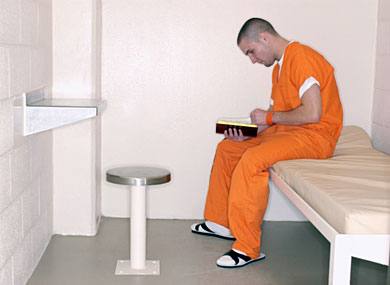
Suit Claims Gay Inmates Denied Access to Rehab

via Advocate, by Julie Bolcer

The Riverside County, Calif. jail system’s policy of separating gay inmates from the general population effectively bars them from accessing a drug rehabilitation program, a lawsuit alleges.

The Los Angeles Times reports on the suit filed by Michael Lamar Salomonson of Palm Springs. A chronic methamphetamine user, he was arrested and charged with burglarizing a home last year.

He was sent to a residential substance abuse program at the Banning detention center instead of a receiving a two-year jail sentence.

“But sheriff’s officials refused to enroll Salmonson in the program,” according to the Times. “Under jail policy, inmates who enter into county jails and disclose they are gay are placed into protective custody and separated from the general jail population.”

The attorney for Salmonson said inmates in protective custody are routinely unable to access the rehab program.

The suit does not challenge the policy of placing gay inmates in protective custody, but it seeks to make sure gay inmates in protective custody are accepted into the rehab program.

Sheriff’s Chief Dep. Jerry Gutierrez, supervisor of the county jails, said inmates are housed together in the intense six-month treatment program, which limits the service to the general population.

Officials want to avoid the “volatile situation” that could be created by enrolling protective custody inmates, a population that also includes individuals with “medical disabilities, victims of jail assaults and inmates convicted of sexually assaulting children.”

The program could be expanded if enough protective custody inmates qualify for rehab, he told the Times.


Read the rest

Friday, January 6, 2012

Gay Men's Body Image

via HuffPost Gay Voices, study by Central YMCA and UWE

Exactly how far would you go for cast-iron pecs or the perfect six-pack?

Indeed, gay men have been stereotypically cast as gym bunnies by popular culture for some time, but a new British poll has now revealed a slightly more disturbing fact about that population's fractured relationship with body image.

A study commissioned by the Central YMCA, the Succeed Foundation and the University of the West of England’s (UWE) Centre for Appearance Research in Bristol found that 48 percent of gay male respondents would sacrifice a year or more of their lives in exchange for a perfect body.

Perhaps even more onerous: researchers also found that 10 percent of those men would agree to die more than 11 years earlier if they could have their ideal body right now, according to Pink News.

Not surprisingly, authorities attributed the results to popular depictions of gay men in media. "Today gay men are under enormous pressure about their bodies, and we believe that a lack of body diversity in the media, including the gay press, and a relentless focus which values people based on appearance, may in part explain why gay men are particularly susceptible to this issue," Rosi Prescott, CEO of Central YMCA, told Pink News.

 "This is of concern when we know that record numbers of men are taking steroids or having unnecessary cosmetic surgery to achieve what is often an unattainable or unrealistic body image ideal."

A total of 384 men, a quarter of which identified as gay, were reportedly surveyed as part of the poll, with an average age of 40, according to the BBC.

But overall, researchers say the increase in body hang-ups surged among both gay and straight men.

As The Telegraph notes, the survey found a staggering 80 percent of men regularly discuss body shapes, often comparing them to those of top celebrities and fashion models -- and 59 percent of them admitted that doing so makes them feel worse about themselves.

Among the most popular phrases by men discussing how other men look: "beer belly," "man boobs" (or "moobs"), and "chubby," along with "six-pack" and "ripped."

"Girls want to be slim and males want to be big and lean, and while it isn't a bad thing for people to want to look better, it has become more like a competition, which has a bad effect on most people's mental health," one respondent told The Guardian.

"Body talk is saying things which reinforce the traditional standard of male attractiveness, which is having a tall, lean, muscular body with clear skin and a full head of hair, and is for most people unattainable,"

Dr. Phillippa Diedrichs of UWE also told The Guardian.

"This research really demonstrates that body image is an issue for everyone, although in men, especially middle-aged men, it has been woefully under-reported, but has a negative impact on social relationships and on attitudes to diet, exercise and a healthy lifestyle."


Read the rest

Monday, December 26, 2011

GMHC on Needle Exchange Funding Ban

via Advocate, by Neal Broverman

Congress removed funding for syringe exchange programs in the budget they passed last week and the Gay Men's Health Crisis say that was a big mistake.

Federal funding for needle exchanges, which studies show reduce HIV transmissions, was removed during the tenure of George W. Bush; it returned when Barack Obama took office.

But the Republican-controlled House has worked repeatedly to remove the funding since then and they were successful last week.

"New York City experienced a 78% decline in reported HIV infections among intravenous drug users since syringe exchange became available (from 1990 to 2002) - supported by state and local funds," according to a press release from the New York-based GMHC. 

GMHC CEO Marjorie Hill calls Congress's ban on federal funding extremely shortsighted.

"How do you get to zero new infections when you let ideology stand in the way of using existing proven tools to reduce the rate of HIV infection," Hill said in the release.

"It is hypocritical that Congress would allow this retrograde policy to be put back into place. It is especially reprehensible that this step was taken during the 30th year of the epidemic when, as stated by the federal government, the tools exist to end the spread of HIV.

This action, along with the decision to wastefully spend taxpayer dollars on disproven abstinence-only education demonstrates a clear lack of commitment by Congress to seriously confront HIV."


Read the rest

Thursday, December 22, 2011

Come Home to Yourself for the Holidays

via Huffpost Gay Voices, by John-Manuel Andriote

The four little words "home for the holidays" pack worlds of meaning and sentiment. They may evoke warm memories of dazzling decorations, family gatherings, gift exchanges, holiday parties, and way too much food.

But for too many LGBT people, "home for the holidays" means anxiety, drama, and stress from families that may not accept them.

Those of a certain age (full disclosure: I'm 53) can find that this season brings up difficult memories of loved ones taken from us cruelly and prematurely by AIDS and other causes.

Missing our friends at this time of year can underscore our grief for the lives we started to build in our younger years with friends and colleagues we expected to know our whole lives, who are now gone.

For some of us, HIV/AIDS has had such a profound impact that it has made us reassess our lives and make big changes. For me, my own 2005 HIV diagnosis sparked a very real midlife crisis.

After I was able to be more rational and knew I wasn't likely to get sick or die in the near future, I chose in 2007 to return to my hometown of 40,000 in eastern Connecticut. I'd spent 30 years "away," living in big cities: Boston, Chicago, New York, and 22 years in Washington, D.C.

It's an understatement to say I never expected to live in Norwich again. But time, and a changed perspective, can make a man think about "home," and even his old hometown, in surprising new ways.

Longtime activist David Mixner writes in his new memoir, At Home with Myself: Stories from the Hills of Turkey Hollow, about coming to grips with turning 60 and finally letting himself process the impact AIDS has had on him.

For Mixner, dropping out of his busy life for a while, like a modern Henry David Thoreau, gave him the perspective he hadn't been able to gain in the midst of his whirlwind of activity.

For three years, in a mountaintop house perched between two peaks in a town of 10 full-time residents two and a half hours from Manhattan, Mixner kept company with animals, birds, the moon and stars, and, most importantly, himself. In Turkey Hollow, fully living life came to mean something different for Mixner.

Instead of carousing on Fire Island and late-night dancing with younger friends, it now had more to do with quiet pleasures like watching an eagle soar from a cliff. "After a lifetime I was at home with myself," he writes.

As it did for David Mixner, home has taken on new meaning for me since I gave up my "big-city" life. For me, home isn't a particular house, though it is an area of land, with its own geography, history, and lore.

We New Englanders feel deep ties to our rugged landscapes and take pride in the independent and resilient Yankees who have gone before us into the "history" that surrounds us in our old houses, town greens, and graveyards.

Home is my family, the people I've known my entire life. We are similar in the ways families are similar, but we are also very different in important ways, too.

Somehow we have managed to stand with each other through the best and worst times for more than half a century now.

And home also has come to mean being at home with myself. For years, I was embarrassed about my lifelong interest in plants and flowers; it seemed so "gay." Now I live in a place, back where I began, where men farm and garden and talk about it with knowledge and pleasure.

I was shy about the fact that I have loved to cook since I was a kid. But I've always been told I take after my grandfather John, who owned a restaurant and was known as a terrific chef. It's not unusual for Greek men to cook, but when I was a younger man, I wasn't yet ready to embrace that part of my heritage.

So "home for the holidays" has new significance for me. It means not just a special place or people I love who also love me. Now it means embracing the life that has been given to me, and the man I was made to be. Home, as they say, is where the heart is. Home is also in the heart.

It seems to me the longest, most difficult journey in life is the search for our true home, that accepting and safe place "somewhere over the rainbow."

Yet when we find it, the place where dreams really do come true, it can look so different from what we ever imagined. And we realize it's been inside of us all the time, waiting for us to discover it and, finally, come home to ourselves.


Read the rest

Friday, December 16, 2011

Same-Sex Marriage Improves Gay Men's Health

via myhealthnewsdaily, by Staff

Gay men's health improves when their state legalizes same-sex marriage, a new study finds.

The results showed gay and bisexual men in Massachusetts had significant fewer medical- and mental-health-care visits, and lower mental-health-care costs in the year after the state legalized gay marriage, compared with the previous year.

This amounted to a 13-percent reduction in total health-care visits, and a 14-percent reduction in health-care costs for this group. The reductions were similar for partnered and single gay men.

Previous research has shown that excluding lesbian, gay and bisexual individuals from marriage has a stressful impact on this population, according to the study.

There were also reductions in cases of hypertension and depression, according to the study. Both conditions are associated with stress.

The findings suggest that legalizing same-sex marriage could benefit public health "by reducing the occurrence of stress-related health conditions in gay and bisexual men," said study researcher Mark Hatzenbuehler, of Columbia University's Mailman School of Public Health.

However, among HIV-positive men, there was no reduction in HIV-related visits, suggesting that those in need of HIV/AIDS care continued to seek needed health-care services, the researchers said.

The researchers surveyed 1,211 patients from a large, community-based health clinic in Massachusetts that focuses on serving these groups.

Because the clinic was in a large metropolitan city, these results may not be generalized among people living in more-rural communities, the researchers said.

The study is published online today (Dec. 15) in the American Journal of Public Health.


Read the rest

Thursday, December 8, 2011

Do I Need a Six Pack to Make an Impact?

via Huffpost Gay Voices, by The Guyliner

The year is 2001. I am in a bar, talking to a gay man. He might be trying to pick me up; I can't tell. He takes another sip of his almost-drained drink and looks me up and down.

 "How old are you?" he asks, with a mouthful of beery spittle.

"I'm 25," I reply. He surveys me again as if looking at a child's finger painting.

 Finally, he speaks. "If you want a body, you're going to have to get on with it pretty quickly."

"What are you talking about?"

"Your body," he sighs. "You don't have one. You've no shape. By the time you get to 30, it'll be too late.

Start going to the gym as soon as you can." He walks away.

If there's one thing you're going to need as a gay man, it's a body. You can try telling me different, but nine times out of 10 you're not going to get much interest from another gay man just because you look as if you read a lot of books.

Looks count, even if they are only a beautiful lid on a simmering pot of ugliness, despair, bitterness and venom. Don't believe me?

Fire up Grindr, the social networking app launched in 2009 to help gay men to chat, and, if the stars are aligned, to meet each other and 'date'.

When I write 'date' in Grindr terms, it usually means the kind of date where two perfect strangers meet up and fuck. Just so you know.

You select your potential partner by browsing a gallery of tiny thumbnail pictures, lined up together like the world's worst mosaic.

Users have less than a square centimetre to make an impression, and while most of us need a pretty face to experience the first stirrings of arousal - or at least a half decent face, depending on the time of day, how long it has been since 'the last time' and how many vodka and tonics you've had - many users decide to cut straight to business and get out their best weapon.

No, not that, you're not allowed to show that. No, it's the bod, the rack, the torso - buffed, shiny, preened and, nine times out of 10, headless.

Yes, these gods are so confident in the appeal of their sculpted trunks that they don't even bother including their face. "I have a body like this," they drawl. "Why on earth would you care what I look like?"


Read the rest


Friday, December 2, 2011

"He Won't Wear a Condom"

via Advocate, by Steven Petrow

Question: Every so often I meet a guy who tells me he just won’t use a condom because (take your pick): (1) He can’t stay hard; (2) He’s too big; (3) He’s allergic to latex; (4) He’s HIV-negative; or 5) It’s a mood killer. How do you suggest I handle these situations — especially when I’m really turned on?

Answer:  Let me start today by noting that it’s World AIDS Day, which is observed December 1 each year and — as the official site in the U.K. proclaims — “is an opportunity for people worldwide to unite in the fight against HIV, show their support for people living with HIV and to commemorate people who have died.”

That being said, there’s no better way to observe this day than to pledge to protect yourself and your prospective partners from HIV.

And if there’s any tool we have to prevent the continued spread of the virus, it’s the much-maligned, low-tech (but lifesaving) condom. 

I know you’ve heard this before (I certainly hope that you have) but latex and plastic rubbers, when used properly (and yes, that’s key) with a water-based lubricant, provide a high degree of protection to each partner.

But sometimes information alone doesn’t do the trick. If only. Instead of going to the experts (as Mr. Manners often does) I decided to ask a friend of mine who recently became infected why his knowledge of safer sex didn’t safeguard him:

“You can be armed with all of the information in the world, but it's much harder to put it into practice when you combine casual sex, alcohol, and drugs — and put places like Fire Island into the mix,” he told me.

“My suspicion is that somewhere along the line I wasn't sober enough to do what I needed to do to protect myself, and there were enough of those nights that the statistical odds became stacked against me.”

So, how do I suggest you respond to these periodic ploys (and that’s what they are) to have unprotected sex?  It would be facile for me to suggest that you just say no.

Still, you can’t make sound judgments if you’re stoned, high, drunk, tweaked, or toasted — and there’s no question that drug and alcohol use are closely linked with new HIV infections.


Read the rest
Related Posts Plugin for WordPress, Blogger...

select key words

2007 National HIV Prevention Conference 2009 National LGBTI Health Summit 2011 LGBTI Health Summit 2012 Gay Men's Health Summit 2012 International AIDS Conference ACT Up AIDS AIDS Foundation of Chicago Africa BUTT Bisexual Bisexual Health Summit Brian Mustanski Center on Halsted Charles Stephens Chicago Chicago Black Gay Men's Caucus Chicago Task Force on LGBT Substance Use and Abuse Chris Bartlett Coaching with Jake Congress David Halperin David Munar Dr. James Holsinger Dr. Jesus Ramirez-Valles Dr. Rafael Diaz Dr. Ron Stall ENDA Ed Negron Eric Rofes FTM Feast of Fun Feel the love... Friday is for Faeries Gay Men's Health Summit 2010 HCV HIV HIV care HIV drugs HIV negative HIV positive HIV prevention HIV stigma HIV strategic plan HIV testing HIV/AIDS HPV Howard Brown Health Center IML IRMA Illinois International AIDS Conference Jim Pickett LGBT LGBT adoption LGBT culture LGBT health LGBT rights LGBT seniors LGBT youth LGBTI community LGBTI culture LGBTI health LGBTI rights LGBTI spirituality LGV Leon Liberman LifeLube LifeLube forum LifeLube poll LifeLube subscription Lorenzo Herrera y Lozano Lymphogranuloma Venereum MRSA MSM Monday Morning Perk-Up National AIDS Strategy National Gay Men's Health Summit One Fey's Tale Peter Pointers Pistol Pete PnP PrEP President Barack Obama Presidential Campaign Project CRYSP Radical Faerie STD Senator Barack Obama Sister Glo Sisters of Perpetual Indulgence Susan Kingston Swiss declaration Ted Kerr Test Positive Aware Network The "Work-In" The 2009 Gay Men's Health Agenda Tony Valenzuela Trans Gynecology Access Program Trans and Intersex Association Trevor Hoppe Who's That Queer Woof Wednesday You Tube abstinence only activism advocacy african-american aging issues anal cancer anal carcinoma anal health anal sex andrew's anus athlete ball scene bareback porn barebacking bathhouses bears big bold and beautiful bisexuality black gay men black msm blood ban blood donor body image bottom chubby chaser circumcision civil rights civil union communication community organizing condoms crystal meth dating dating and mating with alan irgang depression disclosure discrimination domestic violence don't ask don't tell douche downlow drag queen emotional health exercise female condom fitness gay culture gay identity gay latino gay male sex gay marriage gay men gay men of color gay men's health gay pride gay rights gay rugby gay sex gay youth gender harm reduction hate crime health care health care reform health insurance hepatitis C hiv vaccine homophobia homosexuality hottie hotties how are you healthy? human rights humor hunk immigration international mr. leather internet intimacy leather community leathersex lifelube survey love lube lubricant masturbation mental health microbicides middle music negotiated safety nutrition oral sex physical health pleasure podcast policy politics poppers porn post-exposure prophylaxis prevention prostate prostate cancer public health public sex venues queer identity racism recovery rectal microbicides relationships religion research safe sex semen sero-adaptation sero-sorting seroguessing sex sexual abuse sexual addiction sexual health sexual orientation smoking social marketing spirituality stigma stonewall riots substance abuse treatment substance use suicide super-bug superinfection syphilis testicle self-examination testicular cancer testing top trans group blog transgender transgender day of remembrance transgendered transmen transphobia transsexual universal health care unsafe sex vaccines video violence viral load writers yoga youtube