Showing posts with label HIV/AIDS. Show all posts

Tuesday, August 7, 2012

Lessen HIV Burden Among Young Gay and Bisexual Men

via The National Minority AIDS Council (NMAC) nmac.org

Call to Action: Lessen HIV Burden Among Young Gay and Bisexual Men in the United States

When new infections among young Black gay men increase by nearly fifty percent in three years, we need to do more to show them that their lives matter. - President Barack Obama, December 1, 2011

We will never end the HIV/AIDS epidemic in the US until we dramatically lessen the burden of HIV among gay and bisexual men, particularly young men.

Across race, age, and geography, gay and bisexual men remain most vulnerable to HIV infection in the United States. Gay and bisexual men are the only group of people in which new HIV infections are increasing each year. They represent only 2% of the US population, yet account for 64% of new infections. Young gay and bisexual men aged 13-29 comprise less than 1% of the US population, but account for 27% of all new infections.  Black young men are especially hard hit by the AIDS epidemic, experiencing a shocking 48% increase in the number of new HIV infections between 2006 and 2009.

Despite alarming infection rates, the response to HIV/AIDS among young gay and bisexual men has never been adequate. Allocation of prevention, research, and other resources to focus on gay men overall or young men, in particular, has never been equal to their proportion of the epidemic. Negative experiences and other barriers to accessing health care have left too many young men estranged from the services and institutions that could support healthy sexual, physical, and emotional development. Family rejection, social isolation, homophobia, and absent legal protections have perpetuated a cycle of homelessness, unemployment, substance use, and poverty among the most vulnerable.

To achieve the goals of the National HIV/AIDS Strategy for the US – (1) to reduce new HIV infections, (2) to improve access to health care, and (3) to eliminate health disparities – particular attention must be paid to young gay and bisexual men, for too many of whom HIV infection has become a rite of passage to adulthood. We can and must respond to HIV/AIDS in a way that respects and cares for all people living with HIV, while recognizing the unique impact of HIV on young gay and bisexual men.

We have never been better equipped to mount a comprehensive response to HIV among young gay and bisexual men. Social marketing campaigns and affirming messages from the highest levels of leadership are beginning to validate years of hard work promoting equality and dignity. The Affordable Care Act will offer health care to millions who have been denied access for decades. Scientific research has demonstrated both sustained health improvement and a dramatic reduction in transmission among people living with HIV who initiate treatment early after diagnosis.

We can achieve an AIDS-free generation for ALL young gay and bisexual men in the United States, but only if we make the commitment to change today.

Sign on to this initiative by clicking here. Both individual and organizational endorsement are welcomed
: http://alturl.com/zojpo 


Read the rest

Tuesday, May 1, 2012

In Occupy Movement, AIDS Activists Find Common Ground


Julie Davids, at center with sign, and other AIDS
activists joined Occupy Wall Street last week. (Photo courtesy of Kaytee Riek)
AIDS activism has a rich history of taking advocacy to the streets, into city halls and state houses, and into American consciousness.

Last week, veterans of ACT UP — the AIDS Coalition to Unleash Power — joined the Occupy movement in New York to advocate for a small tax of Wall Street trades to benefit people living with HIV. Together, the 25-year-old ACT UP and the more fledgling Occupy movement made for a natural pairing, said Julie Davids, director of organizing and mobilization for the AIDS Foundation of Chicago.

“ACT UP has always looked at the AIDS crisis through an economic justice lens and has always recognized that obstacles were rooted in greed and the profit motive," Davids told the Associated Press. (Here’s a link to the AP story on the protest.)

Davids, who is also the coordinator for the HIV Prevention Justice Alliance, was front and center at the protest. She took a few moments to talk to answer Inside Story’s questions on what AIDS activists were trying to accomplish and why Occupy makes a lot of sense as a movement.

Wednesday, April 11, 2012

AIDSmeds - Top Stories : Undetectable Viral Load? Not Necessarily in Semen - by Tim Horn

AIDSmeds - Top Stories : Undetectable Viral Load? Not Necessarily in Semen - by Tim Horn


Undetectable Viral Load? Not Necessarily in Semen
by Tim Horn


Undetectable viral loads in blood is not a guarantee that HIV is also undetectable in semen, according to a new study involving 101 HIV-positive men who have sex with men (MSM) conducted in Boston and published online ahead of print by the journal AIDS. Of the 83 men with undetectable virus in blood samples, roughly a quarter of them—21 MSM in total—had semen with detectable HIV.

Though the study conducted by Joseph Politch, PhD, of Boston University School of Medicine and his colleagues didn’t look at whether those with low-but-detectable levels of HIV in their semen were necessarily more likely to transmit the virus than those with undetectable seminal viral loads, the authors nevertheless caution that a risk of ongoing HIV transmission potentially remains in the absence of barrier protection during sexual activity. “Until more information on transmission risk in MSM is available,” they write, “it would be prudent to advise sexually active HIV-infected MSM to use condoms and other risk-reduction strategies throughout all stages of HIV disease regardless of HIV treatment status.”

Politch and his colleagues note that antiretroviral therapy is undoubtedly associated with a reduced risk of HIV transmission during sexual activity. In prefacing their own data, the authors reiterate the results of HPTN 052, which demonstrated that ARV therapy led to a 96 percent reduction in HIV transmission risk among HIV-discordant heterosexual couples, along with a study among MSM conducted over a decade ago concluding that HIV treatment decreases the transmission risk by roughly 60 percent.

Yet, according to the authors, “MSM have experienced a resurgent HIV epidemic in the [ARV treatment] era. Many HIV-infected MSM continue to engage in unsafe sex, and sexually transmitted infections (STIs) or other factors may promote genital HIV shedding and transmission in this population despite [ARV therapy].”

Though the “resurgent HIV epidemic” is undoubtedly multifactorial—roughly 20 percent of those living with HIV, including many MSM, are not aware they are infected and have thus not received personalized care and counseling—Politch’s group set out to explore an important factor associated with HIV transmission: the prevalence of seminal HIV shedding among HIV-positive MSM receiving ARV therapy, and how it relates to a number of clinical, behavioral and biological variables.

The study recruited HIV-positive participants from Fenway Health, a clinic catering to the health care needs of the lesbian, gay, bisexual and transgender community in Boston. Paired blood and semen samples were collected from the 101 study volunteers. Clinical and behavioral data were obtained from medical records and questionnaires. Evidence of genital herpes and genital inflammation were also assessed using laboratory tests.

The men were predominately white (74 percent), and virtually all (97 percent) identified themselves as MSM. The average age of the study volunteers was 43. Eighty percent had been on ARV therapy for more than a year; all had been on HIV treatment for at least three months.

Twenty-seven percent reported only engaging in protected sexual intercourse within the three months before study enrollment and were thus classified as low risk for acquiring a sexually transmitted infection (STI). Seventy-three percent were classified as high risk for having an STI, based on self reports of unprotected sexual intercourse in the past three months.

Nine men, all belonging to the high-risk group, tested positive for an STI within seven days before their official start in the study. Sixty-three percent of the men were positive for genital herpes, or herpes simplex virus-2, HSV-2, antibodies.

Eighteen of the 101 MSMs enrolled in the study had detectable HIV in their blood samples. The average viral load among these men was 560, but it ranged from 80 to more than 600,000. Nine (50 percent) of the men with detectable blood-based viral loads also had detectable HIV levels in their semen.

Eighty-three of the 101 MSM had undetectable levels of HIV in their blood samples. Though most also had undetectable HIV in their semen samples, 21 (25 percent) had detectable seminal viral loads.

Politch and his team note, however, that HIV levels—free-floating HIV-RNA and both HIV-RNA and HIV-DNA in cells—were significantly higher among those with detectable blood-based viral loads, compared with those with undetectable blood-based viral loads. For example, whereas the average free-floating viral load was 4,438 copies among those with detectable blood-based HIV levels, it was 51 copies among those with undetectable blood-based HIV levels.

Still, the authors explained, the prevalence of HIV shedding among those with undetectable blood-based viral loads documented in this study proved higher than has been reported in other studies. “This is likely due to the high prevalence of STIs and genital inflammation in our sexually active MSM cohort.”

Indeed, among the three factors associated with having detectable seminal viral loads among those with undetectable blood-based levels, having an STI was associated with a 29-fold increase in the risk, compared with those who didn’t have an STI. Being positive for HSV-2 was not associated with have a detectable seminal viral load.

Thursday, March 8, 2012

If We Knew What We Know Now...


Would we have stopped AIDS? It is a valid question to ask, as the world has been aware of this epidemic for over 30 years.

GMHC was passionately and courageously created 30 years ago by a group of gay men who did not know how far-reaching and devastating this disease would be to all corners of the Earth.

We know through retrospective epidemiological data that the first confirmed American AIDS death occurred in 1969: a 15-year-old, sexually active young man in Saint Louis, Mo. who had never traveled abroad.

And by the time HIV was isolated and identified in 1981, it had already found its target communities: people who have engaged in anal sex, injection-drug users, breastfed infants, and individuals who received medically sanctioned human tissue (i.e., donated blood or organ transplants).

During the early '80s in the States, a strong cultural shift had just occurred, from "free love" and "live and let live" to the conservative Christian movement led by Jerry Falwell.

The Moral Majority had become a major player in the political field, which led to the election of President Ronald Reagan. The policies that would shape America for the next eight years would also mold America's response to the introduction of AIDS into the lives of countless individuals and the American lexicon.

Due to advances in diagnosis and treatment of the virus, in addition to the political activism of the direct and indirect victims of HIV/AIDS, the virus is no longer a death sentence for the estimated 1.2 to 1.5 million Americans who are affected, according to the Centers for Disease Control and Prevention (CDC).

But lest we forget, these data, which seem so large, are a measure of the prevalence of HIV/AIDS in 2011. Thirty years ago, that number was exponentially smaller.

Imagine an America that only had around 10,000 to 20,000 persons with HIV/AIDS, and a world that may have had about 70,000 to 100,000 total cases.

Couple that information with the knowledge that a muted health care response would eventually lead to 2 million deaths annually. Would it have been morally acceptable to demonize particular populations?

We have all heard countless justifications for why some people "got it," without any level of sympathy. These sentiments are based on racism, sexism, homophobia, classism, and/or prejudice against addicts.

Typically, bleeding hearts only pour out to individuals who are considered without fault in their HIV status, such as newborns or hemophiliacs.

After 30 years of AIDS, we know what works and, more importantly, what does not work. We know that first and foremost, education is the greatest deterrent to infection (if one is HIV-negative) or infecting another person (if one is HIV-positive).

Furthermore, we have seen the effect of readily available medication (anti-retroviral drugs) on the level of impact that HIV/AIDS has on an individual and on a community. And we have seen effective public health initiatives that have saved countless lives, domestically and internationally (e.g., syringe needle exchanges).

Moreover, after 30 years of AIDS, we know that our leaders have a choice of when, how, and to whom any and all interventions are available. To the ultimate detriment of 20 million people each year, those interventions are often not available, sometimes due to funding, and sometimes due to normative culture values that punish those most in need: the world's outcasts.

It is not being cynical to suggest that if we knew then what we know now, all possible barriers to the spread of HIV/AIDS would have been enacted.

Even in 2011, Congress has taken actions that will diminish headway in the fight against HIV/AIDS. Reinstating the federal ban on syringe-exchange funding, coupled with funding for abstinence-only education, unfortunately shows a trade of proven-effective health policy for proven-ineffective actions.

As HIV public health advocates, our hope is that the correct actions are taken so that in a few decades, we do not look back and wonder why the tools that we have today were not utilized. There is no viable excuse for knowing now what we already know and still not doing the right thing.


Read the rest

Friday, March 2, 2012

Over 30,000 opt-in to Gaydar's STI Notifications

via sayencrowolf, by Sayen CroWolf

31,714 Gaydar members in the UK have opted in for the Sexual Health Messaging Service in the three months since it launched on 29 November last year.

The messages are also available on Fitlads, Recon and Manhunt.

But with 2.2 million Gaydar profiles registered in the UK, gay men’s health charity GMFA is urging more to opt in to the service.

GMFA’s Matthew Hodson said, “If you’ve ever been diagnosed with an STI you probably will have been encouraged to get in contact with as many shags from the last few months as possible.

“This can be really hard for some people, and no-one likes to ring their buddies, lovers or one-night stands to let them know they may have an STI.

Our partner notification service is designed to make the task that much easier and now, with so many gay men on Gaydar opting into the system, the chances of contacting your partners are better than ever.”

The Sexual Health Messaging Service, sometimes referred to as Partner Notification, is funded by a grant from the Elton John AIDS Foundation.

Men diagnosed at a participating clinic can be given a unique code for use on the website.

There, contact information for recent partners can be typed in: mobile phone numbers, email or a profile name from a participating dating website.

They are then sent an automated message, alerting them to the fact that they should get themselves checked out.

The messages can be anonymous if you prefer, but backers say recipients are more likely to take action if the sender is identified.


Read the rest

Thursday, March 1, 2012

Red is in the Rainbow: A Closer Look at Blood Donation Discrimination

via HuffPost Gay Voices, by Emily Horowitz

We met this past August: six of 42 American University freshmen selected to participate in the School of Public Affairs' Leadership Program.

We were tasked with identifying a social issue connected to gender and sexuality and working to change it. After two months of intense, sass-filled discussions, we zeroed in on an issue that we all felt needed to be changed: the Food and Drug Administration's policy that bans men who have had sex with men (MSM) even once since 1977 from ever donating blood.

Enacted in 1985 at the height of the AIDS scare, this measure was deemed necessary by confused scientists and puzzled politicians.

Today, however, it is outdated and unreasonable. It is difficult to resist concluding that the continuation of this policy is the result of homophobic stereotypes.

In order to fully understand the ban and the issues stemming from it, we first assembled a policy memorandum that examined all sides of the policy.

We learned how blood is tested for HIV and that with current technologies, there is a 1 in 1.5 million chance of infected blood passing through the screening processes.

We also learned that the United States is in the midst of a critical blood shortage, which America's Blood Centers states would end if we increased the annual blood supply by just 1 percent.

In 2010 the Williams Institute at the University of California's Los Angeles School of Law estimated that if the MSM blood ban were lifted, there would be approximately 219,000 additional pints annually, an increase of 1.4 percent.

This means we could increase the lives saved by blood donations each year by up to 657,000 (given that one pint donated can save as many as three lives) and eliminate blood shortages for the foreseeable future.

Also in 2010 a group of 18 United States Senators, including John Kerry (D-Mass.) and Kristen Gillibrand (D-N.Y.), advocated that the FDA change its policy, to no avail.

Keeping this knowledge in mind throughout the fall semester, we became further impassioned by the need for reform. We forged relations with nearby organizations such as the D.C. Center for the LGBT Community, and with nearby college campuses. Finally, spring semester arrived, and the hands-on action commenced: it was time to start our project.

Our three-point plan is comprised of education, awareness, and political action. We established ourselves as Red Is in the Rainbow.

Through social media websites such as Facebook and Twitter, we are spreading the word about the blood ban and facts pertaining to it.

To make a personal impact, we will be hosting blood drives across Washington, D.C. this April. To bring awareness to how many people are prevented from donating blood, we will be distributing stickers stating, "I have a friend who can't donate blood.

Ask me why," and "I can't donate blood. Ask me why." We hope that these will encourage discussion of the discriminatory policy and further spread the word. Finally, we aspire to put political pressure on the FDA to change its policy.

By coordinating a letter campaign, we seek to communicate to policy makers just how much harm this ban inflicts and put forward an alternative we believe more appropriate: a one-year waiting period between male-to-male sexual contact and blood donation, the same waiting period that a person who has sex with a prostitute or a person infected with HIV/AIDS must undergo.

A one-year deferral period has become the choice of most other industrialized nations who have amended their policies, the most recent of which was the United Kingdom.


Read the rest

Monday, February 27, 2012

Porn Flicks or Virtual Coliseum?

via HuffPost Gay Voices, by John-Manuel Andriote

Pornographers are aroused and growling over a new Los Angeles law that will require adult film actors to wear condoms in sex acts well known to be high-risk for HIV and other sexually transmitted diseases.
The filmmakers call the new law "government overreach."

They argue that monthly HIV tests should be sufficient to prevent the virus from slipping into the mix of fluids splashing about the set and unwittingly infecting an actor while on the job.

The Los Angeles Times reported that companies are threatening to move out of the city, taking with them as many as 20,000 jobs for actors, makeup artists, camera crews, caterers, and the abundance of talent and services that makes L.A. a magnet for movie makers of all sorts.

The Los Angeles City Council passed the law, which takes effect March 5, after reports of actors becoming infected with HIV while pursuing their line of work.

Former adult film actor Derrick Burts, who tested HIV-positive in 2010 and was told he was infected by a fellow performer, was quoted in the Times as saying, "It's a broken system that they have in place. What performer wouldn't want to feel more safe on a work set?" Burts backs mandatory condoms.

Filmmakers argue that requiring actors to use condoms will hurt their sales. "The viewers out there don't want to see movies with condoms," Steven A. Hirsch of Vivid Entertainment told the newspaper.

Since the early AIDS years, HIV-prevention educators have argued that porn can play an important role in modeling and eroticizing safer sex -- or, to the contrary, reinforcing the idea that only "bare" sex is real sex.

The Times quoted Michael Weinstein, president of Los-Angeles-based AIDS Healthcare Foundation, as saying, "The fact that porn sends out a message that the only type of sex that's hot is unsafe ... we think that's detrimental."

AHF has lobbied the city since 2010 to require condoms in the adult movies made there.

The L.A. public health department in 2010 estimated that condoms and other protection are used in fewer than 20 percent of hardcore heterosexual pornography.

The department also reported that adult film workers are 10 times more likely to be infected with an STD than a non-adult-film worker.

"Unlike Hollywood films where there is sex or violence that is simulated," Weinstein said in an email, "in porn, real actors are being infected with real STDs, and the audience knows it.

Therefore, they are thinking that the hottest guys do it raw and only geeks use condoms."

In the early years of AIDS, gay pornographers who wanted to sell movies understood the influence that their products can have in shaping not only the sexual fantasies but the actual behavior of gay men.

The late Chuck Holmes, founder and president of industry giant Falcon Studios, told me in a 1995 interview, "No responsible gay erotica producers would ever make a decision [not to use condoms].

They'd be drummed out of the business because the models wouldn't talk to them, the distributors wouldn't touch it."

Times have changed. By the middle of the past decade, an increasing number of gay erotica producers were not only making "bareback" movies, but they felt no responsibility whatsoever to their actors -- or their audience.


Read the rest

Friday, February 10, 2012

Legalized Hate in Uganda?

via HuffPost Gay Voices, by Kerry Kennedy

On Tuesday, Feb. 7, hours before the Ninth Circuit ruled "Prop 8" unconstitutional in the state of California, raucous cheers rang out in the Ugandan Parliament as legislators reintroduced a controversial bill that would in effect legislate hate against the Ugandan lesbian, gay, bisexual, transgender, and intersex (LGBTI) community.

The proposed bill, known as the Anti-Homosexuality Bill (AHB), would compel families, doctors, and counselors to report on all those suspected of being members of the LGBTI community, and would impose criminal sanctions, possibly even the death penalty, for those who fail to turn in their fellow citizens.

Combined with other proposed legislation before the Parliament, like portions of the HIV/AIDS Prevention Control Bill, the AHB would also hinder Uganda's HIV-prevention efforts, contributing to the alarming rise in HIV infection rates.

This poses a serious threat to the rights and freedoms of all Ugandans and is a clear violation of international law. It denies LGBTI citizens their rights to health care, education, and work.

It creates an atmosphere of hate, intolerance, and fear. It criminalizes the actions of civil society organizations and individual citizens who work to defend the legal rights of their fellow Ugandans.

And it puts the imprimatur of the law behind discrimination based on sexual orientation or gender identity.

This is a blatant suppression of the rights of all Ugandans and an attempt to curtail the freedoms of speech and assembly of a vibrant civil society in Uganda.

The bill's supporters claim to be acting in the name of protecting Ugandan children -- playing on the common prejudice that equates homosexuality with pedophilia.

In fact, the bill places children squarely in harm's way. The bill calls on Ugandan families to betray trust and turn in their siblings and children.

The bill would have doctors break confidentiality and deny care to Ugandans. In fact, this bill would disrupt Ugandan families, increase the HIV prevalence in the country, and set a frightening precedent for the silencing of rights advocacy of any group deemed undesirable by politicians.

Moreover, the bill's possible passage into law is not the only threat to Ugandans. The reintroduction of the bill imminently threatens the safety of the LGBTI community and the safety of anyone assumed to be LGBTI.

Vigilante violence and hate speech amplified by sensationalist media and homophobic rhetoric by religious leaders is all too real today in Uganda.

Across the country, LGBTI people already face physical attacks and rape, extortion by neighbors, and arbitrary arrest by police.

If we support the human and civil rights of our LGBTI citizens in the United States, we must also vigorously advocate against the passage of this bill and act to stop state-sanctioned homophobia from taking root in any country.

If we support human rights, we cannot ignore legalized brutality against any group of our global community.


Read the rest

Thursday, February 9, 2012

HIV/AIDS Activists Complain of Unfair Treatment by U.S. Attorney's Office

via HuffPost Gay Voices, by Arin Greenwood

WASHINGTON -- Last April, a dozen HIV/AIDS activists chained themselves together inside the office of House Majority Leader Eric Cantor (R-Va.) and were arrested on federal charges.

They were protesting cuts to HIV/AIDS programs and a proposal that would have prevented the District of Columbia from spending its own money for needle exchange programs. (The needle exchange restriction was ultimately dropped in the final budget deal.)

The same day, 41 D.C. voting rights activists, including Mayor Vincent Gray, also were arrested on Capitol Hill. They were charged with misdemeanors by the D.C. attorney general. Most, including the mayor, paid a $50 fine.

Some of the HIV/AIDS protestors, along with their supporters, gathered Wednesday on the steps of the D.C. government's Wilson Building in an effort to get the charges against them dropped by the U.S. Attorney's Office.

They complained that compared with the voting rights activists, the HIV/AIDS protestors have been treated harshly.

One of the HIV/AIDS activists is Antonio Davis, a paralegal from Philadelphia who said he's been subjected to especially punitive treatment by prosecutors.

Davis was diagnosed with HIV/AIDS in 2002. He was also recently diagnosed with a painful joint disease. His doctor recommends that he use medical marijuana to manage his pain and to increase his appetite, Davis said.

The first prosecutor handling the activists' case ordered each person who had been arrested to pass three drug tests as a condition for having charges dropped. Davis' tests showed the presence of marijuana.

There have been three prosecutors on the case by now, and the activists complained that each has set new conditions and failed to fulfill promises made by previous prosecutors.

The other activists have been offered community service in exchange for the charges being dropped -- though they complain that prosecutors have twice refused to recognize the service.


Read the rest

Thursday, February 2, 2012

HIV is 'Like Diabetes'? Let's Stop Kidding Ourselves

via HuffPost Gay Voices, by Jonh-Manuel Andriote

My antenna perked up when I read a gay man's comment that HIV infection is essentially no big deal anymore.

"It's like diabetes these days," he said. As an HIV-positive 53-year-old, familiar with the health details of some near and dear diabetics, and having just written an article about the type-2 ("adult onset") diabetes epidemic, I'd say this: we need to choose our analogies carefully.

A naïve image of type-2 diabetes is understandable if your perception is based on the trim, middle-age joggers touting their finger-stick tests and blood glucose meters in TV commercials during the evening news.

In actual fact, diabetes is the seventh leading cause of death in America. As many as 7 in 10 people with diabetes will die of heart disease or stroke.

In 2007 diabetes killed or contributed to the deaths of 231,404 deaths in this country alone, and this year the World Health Organization projects 3.2 million worldwide will die from diabetes.

Diabetes is also the leading cause of blindness. One of every 50 people with diabetes will be blind within 15 years. It's the top cause of kidney failure.

In 2008 a total of 202,290 people with end-stage diabetes-related kidney disease depended on dialysis or a kidney transplant to stay alive.

Diabetes is behind most non-traumatic lower-limb amputations. Thirteen million men in the U.S. over age 20 -- 11.8 percent of all adult men -- have diabetes.

Among women, 12.6 million, or 10.8 percent of all women over age 20 have it. An estimated 7 million Americans are believed to have diabetes but don't know it.

The percentages are highest among blacks, Hispanics and Asian-Americans.

Sure it's possible to manage type-2 diabetes once someone has a diagnosis and is aware that their pancreas isn't producing enough insulin to regulate their blood sugar.

It's even better to prevent diabetes by reducing the behaviors that lead to obesity, the number-one cause of type-2 diabetes.

At best, someone with type-2 diabetes can commit to a strict regimen of healthy eating and exercise that for some has reversed the disease to the point that they need no more medication.

The American Diabetes Association says that five years of normal blood glucose readings without medication can be considered a "complete remission."

Many more, however, struggle to alter their longtime eating habits or make time for exercise as basic as walking. Without making the changes it takes to successfully manage diabetes, they pit their medication against their poor nutrition and sedentary habits and hope for the best.

They may be diligent about taking their meds and keeping their many medical appointments, but even the labels on the diabetes medications explain that they are to be "used along with diet and exercise," and, on some meds, "weight loss."

We need to banish the notion that HIV infection today is "like diabetes," in spite of their similarities.
Consider:

Both are transmitted through intimate behavior, one through sex, and the other, frequently, through family habits passed down over generations.

Both diseases are alike in that they are best avoided and challenging to manage. They both cost a great deal of money for medications, medical specialists, and lab work.

Certainly, HIV and diabetes each could destroy your health and likely kill you if they aren't properly managed.

As for people with type-2 diabetes seeking to manage their illness, a healthy diet and exercise strengthen an HIV-positive person's ability to handle the daily impact of toxic chemotherapies; the hassle of medical appointments and blood work every few months; the discipline of taking pills every day, and dealing with their physical side effects; and the emotional, financial, and psychological tolls of having a financially and socially expensive medical condition.

But beyond this, and in spite of the obvious differences between a viral disease and a metabolic one, the most striking difference between having HIV and type-2 diabetes today is this: There's not even a remote chance that changing my diet or exercise habits can cure what I have.

If only.


Read the rest

Friday, January 27, 2012

[VIDEO] Out Airman Will Raise Funds for HIV

via Advocate, by Michelle Garcia

A gay airman who came out to his family and the world the day "don't ask, don't tell" was officially repealed, announced that he will raise funds for HIV programs by joining the AIDS/LifeCycle this June.

Randy Phillips, a member of the U.S. Air Force stationed in Germany, will ride 545 miles with thousands of other participants from San Francisco to Los Angeles, with a personal goal of raising $10,000.

He's now asking for pledges from the big YouTube following that he's accumulated since coming out last year.

"There's so much stuff I could do with [this platform]. I could show you dumb kitten videos, I could try to sell you corny shirts that nobody wears, or I could try to do something good in the world," he said in a YouTube video.

Phillips said he was compelled to join the ride after speaking with filmmaker Ryan Yezak, who created the short clip "The Gay Rights Movement," which also went viral on YouTube earlier this month.

Phillips added, "I haven't been on a bicycle since high school — an actual pedal bicycle. I've never rode 545 miles, but I signed up to do the AIDS/LifeCycle."

Funds raised by AIDS/LifeCycle go directly to HIV services offered by the Los Angeles Gay and Lesbian Center and the San Francisco AIDS Foundation.


Read the rest

Monday, January 23, 2012

HIV Advocate Pushes Mandated Condom Use in Porn

via Advocate, by Andrew Harmon

An HIV/AIDS advocate who for years has pushed required condom use in the adult film industry as a condition for film permits is now taking his fight to the next level.

Earlier this week, the Los Angeles City Council in a 9-1 vote gave final approval to an ordinance requiring porn actors to wear condoms.

Industry representatives had opposed the ordinance as governmental regulation gone overboard.

But Michael Weinstein, president of the AIDS Healthcare Foundation, called the new rule “a great day for the performers and safer sex in our society" and now plans to collect signatures for an equivalent Los Angeles County measure.

Via the Los Angeles Times:
"This is a case study in the power of persistence," Weinstein said in an interview. He noted that the concept of allowing drug users to exchange needles, once seen as untouchable, finally gained acceptance as a way to protect people from HIV.
 Weinstein has pushed state legislators and the County Board of Supervisors to back mandatory condom use, but has received little support.

No state lawmakers have been willing to sponsor legislation, Weinstein said, and Supervisor Zev Yaroslavsky said in 2010 that the state, not the county Department of Public Health, should be dealing with the matter. (Read the report here.)
Weinstein said that self-regulation within the porn industry is ineffective. "It's in their DNA to not have anybody tell them anything about how they do business," he said.


Read the rest

Monday, January 9, 2012

4 Colored Boys Like Me

via HuffPost Gay Voices, by Dane Harrington Joseph

I am not a racist.

There's a perfectly sound reason why my new project, Langston's, is subtitled "a film by (4) colored boys." Besides the obvious answer (it's a collaboration between four noted black and latino filmmakers), there's also a much more personal reason, dating back about 20 years to when I was a little colored boy myself (as my grandma would affectionately call me).

Back then, I would occasionally wet my bed at night. After such incidents I'd hide my gold-tinted "tighty whities" from my father, who would undoubtedly "whoop" me if he found them.

Nonetheless, despite my best efforts, he would sniff them out after they had festered for a few days in some ill-concealed location.

He would then call out for me in his ironically shrill, baritone voice, and, after a series of insults, proceed to beat me, accentuating verbally my various flaws with each lash.

My worst offense, however, would be crying, because "black men don't cry," an adage he'd bark at me whenever my eyes started to well up.

So I would just bite my lip until he was finished, then retire to my room and cry secretly into my pillow, all the while thinking, "I need help."

Of course, I didn't mean I needed to be rescued from my father's "tough love." Rather, I needed help controlling my compulsion to be me. I didn't want to be me. I hated me.

"Me" needed help, and I knew no other little "colored" boys like me who could show me the way.

So I looked to pop culture for guidance: music, movies, TV. Bill Cosby? No. Montel Williams? Denzel Washington? No. Flava Flav? Hell no.

There was not one media personality or public figure that reflected me. I wasn't relevant. I didn't matter.

I grew up, cried a little less, and, as a teen, became even more obsessed with the idea of finding someone to connect with -- other little colored boys like me. I discovered this newfangled thing called "the Internet" at the library.

I made new virtual "friends" and consequently put myself in unsafe situations, sexually and emotionally, just to feel something, to relate to someone.

I thought that love manifested physically between a 41-year-old Italian bear and a 15-year-old little colored boy could fill a void, could help substitute for the lack of love I felt for myself; it didn't.

I recall going to my mom a few months later and having her take me for my first HIV test, and crying, and then her crying, and then us crying again when the results came back negative.

And I remember thinking I would never be self-destructive in that way again.

I must admit, however, that the lure of boys and booze to fill a void still lingers, to gain instant gratification to temporarily replace constant feelings of illegitimacy.

And while this could, in truth, be the story of anyone of any race, I find that my existence as a gay man of color has rarely been validated; how I felt as a little colored boy looking to the media for validation still resounds today as a grown colored man.

Aside from a slew of big black men in pretty dresses (RuPaul, Tyler Perry, Eddie Murphy, Martin Lawrence, Jamie Foxx, and Flip Wilson, all of whom I admire, but almost all of whom aren't gay) and some admirable attempts by a few noted filmmakers (Patrick Ian Polk, Maurice Jamal, and Roger Omeus, to name a few), there has not been a constant presence of gay men of color in mainstream media or popular culture.

Coupled with negative societal perspectives on homosexuality, the diminished presence of black-themed entertainment that was so pervasive in the '80s and '90s, and the Euro-centric focus of most gay entertainment and advertising, it's not so surprising that self-destructive actions among young gay black men are on the rise, with the CDC reporting that new infections among said demographic saw a dramatic increase of 48 percent in recent years, with 59 percent of those carrying the disease unaware of their status.


Read the rest

Friday, January 6, 2012

Magic Johnson Teams Up With Rappers to Address Homophobia in Hip Hop

via GLAAD Blog, by Kimberley McLeod

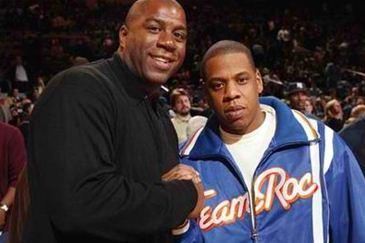
NBA legend and HIV/AIDS advocate Magic Johnson plans to continue educating the African American community about HIV and hopes to also address anti-gay attitudes in hip hop.

Johnson recently spoke with The Huffington Post about a new project he's developing with rappers to rally against homophobia:

As a hip-hop fan, you realize that homophobia is still an issue everywhere, but especially in the black community. When people are scared to talk about it, that's how the disease spreads. So what have you been doing to get that risk reduced?

What we're trying to do is reach out to the hip-hop community because they have power — power with their voice, power with that mic in their hand and power with the lyrics that they sing. I have a lot of friends in that industry and so what we're trying to do is rally them to get behind the cause, deliver the message to these young people that HIV and AIDS is big and it's not going anywhere. They can make a difference right away by speaking out, because they have a big fan base.

So we're finding out that a lot of them want to be involved; they're just looking for a group like ours to latch onto and be a part of it. We haven't really had any push-back from the hip-hop community.
He is currently in talks with various performers and plans on announcing their names at a press conference this year.

“It's so important that we rally — not just them, either,” he adds. “I need the hip-hop community but I also need the basketball players and football players. We need a little bit of everybody…”

GLAAD commends Magic Johnson for leading this important initiative and will post updates as details about the project become public.


Read the rest

Monday, January 2, 2012

Gay Marriage Victory Still Shadowed by AIDS

via New York Times, by Austin Considine

ON the evening of June 24, Steve Mendelsohn celebrated in the street with his friends and nearly a thousand other supporters of same-sex marriage outside the Stonewall Inn, the storied gay bar in the West Village.

The setting was nothing if not appropriate: In 1969, a riot at the Stonewall would make the bar forever synonymous with the awakening of the modern gay rights movement in America.

That night, nearly a half-century later, a bill passed that would allow gay men and women to legally marry for the first time in New York State.

For Mr. Mendelsohn, 54, the moment represented an unequivocal victory: an apex to decades of struggle for equal recognition under state law.

Still, the moment was tinged with a sense of absence, as it was for many gay men his age.

Amid the jubilation, he couldn’t help but think of Phil Kanner, his partner of 15 years, who died of complications from AIDS in 1995.

“I was thinking, ‘I wish Phil were here with me,’ ” Mr. Mendelsohn said in an interview in the fall, adding later, “If my partner were alive, I believe we would have married.”

For many middle-aged gay men in New York City, the passage of the same-sex marriage law was in part a fresh reminder of the darkest days of the AIDS epidemic, when men like Mr. Mendelsohn, the director of a nonprofit media group, lost innumerable friends and loved ones to a disease that was often as stigmatizing as it was deadly.

At the height of the epidemic, the disease took tens of thousands of lives in the United States each year; it reached its deadly peak in 1995, according to the federal Centers for Disease Control and Prevention, with the number of deaths of those with AIDS reaching more than 50,000 that year.

Those who survived haven’t stopped living, forming new relationships and organizing for equality in the decades since.

But the memory of what was lost lingers — a shadow cast by marriage equality’s glow.

“New losses can trigger old feelings of grief, but so can successes, so something like having gay marriage can trigger feelings of loss,” said James Masten, a Manhattan psychotherapist and author who has worked with patients with H.I.V. and AIDS for the last 20 years.

“Even though it’s a positive experience, it can still remind us of all the people who aren’t here, who haven’t had the opportunity to see this — all the activists who never lived to this point,” he added.

Jeffrey Sharlach, 58, founder of a Manhattan-based communications firm and an adjunct associate professor of management communication at New York University, said he lost nearly every one of his gay friends in New York during the 1980s and ’90s, including his partner of more than 12 years, Ken Williams, who died in 1994 at age 33.

Mr. Sharlach is publishing a novel in May about that period in his life called “Running in Bed,” which he described as about a quarter autobiographical.

For Mr. Sharlach, New York at the height of the AIDS epidemic became an empty shell, its streets a constant reminder of loved ones who were disappearing. “Every single block would be like, ‘Oh, I remember this guy used to live here.’ ”

“It was like a city of ghosts,” he added.

With the passing of time, many of those who survived the 1980s and ’90s have gone on to form meaningful long-term relationships.

Some, like Mr. Mendelsohn, took advantage of the same-sex marriage law fairly quickly. In September, he married Wallie Pagunsan, exactly two years after the day they met.

Others, like Mr. Sharlach, believe that the moment for marrying may have passed. Though he, too, has a long-term partner, his second since Mr. Williams died, he has little interest in marrying.


Read the rest

Saturday, December 31, 2011

A Day for the Cure in the U.S. Capital

by Mark Hubbard, for LifeLube

It’s sometimes hard to describe what we HIV/AIDS advocates do. Over the years, when I submitted a bio or printed home-made business cards, I described myself as an “independent educator, advocate, and activist.” At the same time, I often commented, “I don’t do politics.” I knew that work needed to be done, but I wanted to focus on what I saw as my strengths – presentations, committees, outreach, etc. “Bring on the prevention education,” I said,“bring on the planning group involvement, bring on the research advocacy – just leave me out of the politics.”

There’s a word for that kind of thinking - denial.

Perhaps the reason I stayed in that denial so long was that we were spoiled. Until the middle of the last decade, any Tennessean who had HIV and was uninsured was eligible for TennCARE, our state’s souped-up, generous version of Medicaid. We never had an ADAP waiting list and nearly anyone who tried to get clinical and support services could get them.

Then the screws were tightened. TennCARE was gradually dismantled and replaced by a much more austere program for which most PLWHA’s are ineligible. Medicare Part D and aggressive management on the part of the state health department prevented disaster, but the future became cloudy. Expanded testing led to many new diagnoses. Tennessee had its first ever ADAP waiting list for a time in 2010 and with the current budget running neck and neck with need we very well could have one again in 2012.

Don’t get me wrong. When particularly threatening issues came up I tried to do my duty by making a phone call or writing an email. During the fight to save TennCARE I showed up at some public hearings and even testified in court. Mostly though, I kept my head down. Then, when the Ryan White CARE Act was up for reauthorization, the community came together to form the Tennessee AIDS Advocacy Network (TAAN). I joined their email list and attended a workshopon how to engage elected officials.

Over time, the truth became self-evident. There never has been and there never will be HIV/AIDS advocacy without politics.

A Challenge

About three months ago a friend and colleague forwarded an email from the Treatment Action Group (TAG) to me. The subject line read: “Scholarship Application: What Would You Do for the Cure? An AIDS community challenge.” Recipients would travel to Washington DC to meet with congressional delegations. They’d stress the importance of cure and HIV and aging research. It seemed like I was just the sort of person they wanted, but it was politics. Scheduling would be a challenge due to a family obligation. I’d been working on a better balance between the personal and the professional, and I’d promised myself not to over-commit. I wrote my friend and told her I probably wouldn’t apply.

I slept on it a couple of nights though, and came to some realizations. I could make my schedule work. I care very much about these two areas of research as did one of my heroes, Martin Delaney.Although I’d met with state officials once or twice, I’d never done so on the federal level. This was an opportunity to grow and I could get past my anxiety about politics. I applied and feel fortunate to be one of about 35 folks selected to speak truth to power about HIV/AIDS research.

We’re a small group, but our diversity is exciting. We’re straight, gay, black, white, yellow, brown, single, married, newly diagnosed, long term survivors and HIV negative allies. We’re ministers, lobbyists, social workers, athletes, prevention and social service providers and our ages range from 20-something to 60-something.

A New Day

On conference calls, we learned that United States National Institutes of Health (NIH) funding, and the corresponding funding for HIV/AIDS research, had been fairly consistently maintained over the years without much need for organized community advocacy. It hadn’t been ideal – with level funding or with small increases, inflation had yielded a 15% decline in buying power over 8 years – but no one had ever really feared radical cuts.

We all realize, however, that it is a new day in Congress. In some ways, it is a scary new day. Many long term stalwart supporters of NIH funding are gone. Some like Senator Kennedy have died. Others were defeated and replaced by individuals who either are simply inexperienced and less than knowledgeable about HIV/AIDS orwho are radical fiscal conservatives willing to indiscriminately swing the axe 360 degrees.

On the Hill


Finally some twelve weeks ago, inexperienced and experienced alike, we arrived in Washington DC. We traveled from 20 different states -from Minnesota to Texas, from New Jersey to Florida, and from points in between to begin our new initiative. We introduced ourselves, shared a meal, and laid plans for the next day’s advocacy on the Hill.

We introduced ourselves as constituents to congressional staffers and discussed the importance of federally sponsored research with them. We talked with pride about the excellence the U.S. has demonstrated in the field and how that manifests in critical work in and for our communities, from the laboratory to the clinic. We reminded them that HIV/AIDS research has led to progress in countless other fields. Although we highlighted the hope and need for cure research and the emerging urgency around HIV/AIDS and aging research, our primary ask was simpler:“Will you please commit to advocating for the highest possible level of NIH funding?”

Were there a lot of immediate, momentous, life changing outcomes? It depends on how you look at it. When it comes to funding, particularly in the current political environment, that’s not a realistic expectation. Just as we know that HIV/AIDS research is a long haul of incremental progress (and regular setbacks), we know that whatever we accomplish with Congress will be the result of patience and persistence.

On the other hand, experiencing the reality that we can – that anyone can - schedule an appointment, walk into elected officials’ offices, and actually be heard, was for some of us a very profound experience.


The Treatment Action Group has expressed its long-term commitment to this project. So have we. We’ve made our start.It’s the birth of a new effort to preserve HIV/AIDS research funding, but beyond that we believe it’s the beginning of an important new effortto help ensure that cure research will expand and succeed.

Being an HIV/AIDS educator, advocate, and activist is tough work. I often feel impatient, angry, sad, frustrated, and burnt out. I mustn’t forget the progress we’ve made and the times of satisfaction, joy, and triumph I’ve experienced. On this first day of 2012, as I enter my 25th year of living with HIV and struggling to fight the pandemic, I remind myself to focus on the one consistent gift all of my work has provided:a sense of hope.

Happy New Year, fellow advocates. Happy New Year indeed!

Thursday, December 29, 2011

L.A. To be First City to Mandate Condoms in Porn?

via Queerty, by Evan Mulvihill

A measure that would require actors in porn films to wear condoms qualified to be on the ballot next June in L.A., the adult-film capital of the United States.

The AIDS Healthcare Center collected around 71,000 signatures for the measure, almost double the 41,000 needed to get on the ballot.

Although condom usage is fairly widespread in mainstream gay porn, most major straight-porn companies don’t use them consistently.

Rising tensions about AIDS in the porn industry have reached a fever pitch in the past year: An AIDS scare based on a positive result from star Derrick Burts put a halt on the entire U.S. porn industry this August.

Just a few weeks ago, the Adult Industry Medical Healthcare Foundation, a testing center partially funded by the porn industry, was shut down after being criticized by Burts and called a “sham clinic” by the AIDS Healthcare Foundation.

The ballot initiative has its detractors: L.A. City Atty. Carmen Trutanich says she believes the issue is for the state to regulate, not the city or county, and has filed papers saying so.


Read the rest

Thursday, December 22, 2011

Come Home to Yourself for the Holidays

via Huffpost Gay Voices, by John-Manuel Andriote

The four little words "home for the holidays" pack worlds of meaning and sentiment. They may evoke warm memories of dazzling decorations, family gatherings, gift exchanges, holiday parties, and way too much food.

But for too many LGBT people, "home for the holidays" means anxiety, drama, and stress from families that may not accept them.

Those of a certain age (full disclosure: I'm 53) can find that this season brings up difficult memories of loved ones taken from us cruelly and prematurely by AIDS and other causes.

Missing our friends at this time of year can underscore our grief for the lives we started to build in our younger years with friends and colleagues we expected to know our whole lives, who are now gone.

For some of us, HIV/AIDS has had such a profound impact that it has made us reassess our lives and make big changes. For me, my own 2005 HIV diagnosis sparked a very real midlife crisis.

After I was able to be more rational and knew I wasn't likely to get sick or die in the near future, I chose in 2007 to return to my hometown of 40,000 in eastern Connecticut. I'd spent 30 years "away," living in big cities: Boston, Chicago, New York, and 22 years in Washington, D.C.

It's an understatement to say I never expected to live in Norwich again. But time, and a changed perspective, can make a man think about "home," and even his old hometown, in surprising new ways.

Longtime activist David Mixner writes in his new memoir, At Home with Myself: Stories from the Hills of Turkey Hollow, about coming to grips with turning 60 and finally letting himself process the impact AIDS has had on him.

For Mixner, dropping out of his busy life for a while, like a modern Henry David Thoreau, gave him the perspective he hadn't been able to gain in the midst of his whirlwind of activity.

For three years, in a mountaintop house perched between two peaks in a town of 10 full-time residents two and a half hours from Manhattan, Mixner kept company with animals, birds, the moon and stars, and, most importantly, himself. In Turkey Hollow, fully living life came to mean something different for Mixner.

Instead of carousing on Fire Island and late-night dancing with younger friends, it now had more to do with quiet pleasures like watching an eagle soar from a cliff. "After a lifetime I was at home with myself," he writes.

As it did for David Mixner, home has taken on new meaning for me since I gave up my "big-city" life. For me, home isn't a particular house, though it is an area of land, with its own geography, history, and lore.

We New Englanders feel deep ties to our rugged landscapes and take pride in the independent and resilient Yankees who have gone before us into the "history" that surrounds us in our old houses, town greens, and graveyards.

Home is my family, the people I've known my entire life. We are similar in the ways families are similar, but we are also very different in important ways, too.

Somehow we have managed to stand with each other through the best and worst times for more than half a century now.

And home also has come to mean being at home with myself. For years, I was embarrassed about my lifelong interest in plants and flowers; it seemed so "gay." Now I live in a place, back where I began, where men farm and garden and talk about it with knowledge and pleasure.

I was shy about the fact that I have loved to cook since I was a kid. But I've always been told I take after my grandfather John, who owned a restaurant and was known as a terrific chef. It's not unusual for Greek men to cook, but when I was a younger man, I wasn't yet ready to embrace that part of my heritage.

So "home for the holidays" has new significance for me. It means not just a special place or people I love who also love me. Now it means embracing the life that has been given to me, and the man I was made to be. Home, as they say, is where the heart is. Home is also in the heart.

It seems to me the longest, most difficult journey in life is the search for our true home, that accepting and safe place "somewhere over the rainbow."

Yet when we find it, the place where dreams really do come true, it can look so different from what we ever imagined. And we realize it's been inside of us all the time, waiting for us to discover it and, finally, come home to ourselves.


Read the rest

Tuesday, November 29, 2011

"Remembering My Friends"

via Edge, by Michael Petrelis

December 1, World AIDS Day, is just around the corner and as the day approaches I’ve been thinking of marking the occasion by remembering and honoring absent friends who’ve died from HIV-related illnesses and complications.

For World AIDS Day last year, on my personal blog, I wrote about a true unsung hero of the epidemic, Dr. Joseph Sonnabend, who was my first AIDS doctor and whom I cannot credit enough for helping keep me, and so many others, alive and relatively well.

Before the term AIDS was created, and even prior to GRID, gay-related immune deficiency, Sonnabend was on the frontlines of gay male health in New York City.

Among his accomplishments was developing effective prophylaxis regimes to avert opportunistic illnesses, creating safe sex guidelines and assisting people with AIDS to empower themselves.

Retired from seeing patients, he lives in London now.

This year it’s time for me to recall five deceased friends and colleagues, and a bit of their lives and achievements


Read the rest

Friday, November 18, 2011

Black and Latino MSM Identity and HIV Risk

via Poz, by Trenton Straube

New research uncovers mistaken assumptions fueling HIV rates among black and Latino men who have sex with men (MSM).

The belief that having sex with someone of your own race lowers your risk of contracting HIV is a misperception that needs to be addressed among black and Latino men who have sex with men (MSM).

What’s more, health care workers are missing opportunities to test this population for HIV—even when the men are engaged in care and disclose their sexuality to their doctors.

These are just two findings of research looking at black and Latino MSM who are HIV positive but unaware of their status. The Centers for Disease Control and Prevention (CDC) estimates that 53 percent of new HIV cases in the United States are among MSM and that 54 percent of these MSM are black and Latino.

In addition, HIV-positive black and Latino MSM are less likely than their white counterparts to know their status—which is one factor that amplifies HIV rates among these populations.

To explore these dynamics, researchers led by Gregorio A. Millett, MPH, the CDC/HHS Liaison to the White House Office of National AIDS Policy (ONAP), analyzed data from 1,208 MSM (597 black and 611 Latino) who participated in studies in Los Angeles, New York City and Philadelphia.

Eleven percent of them (18 percent black, 5 percent Latino) turned out to be HIV positive but unaware of their status (referred to as “HIV-positive unaware”).

Researchers found that certain variables were more common among the MSM in this group.

For example:

Black HIV-positive unaware MSM were associated with:

•Gay identity
•Earning a moderately higher income
•Having health insurance
•Disclosing sexuality to current health care provider
•Fewer than three lifetime HIV tests
•High perceived risk of testing HIV positive
•Belief that sex with other black men reduces HIV risk

Latino HIV-positive unaware MSM were associated with:

•Nongay identity
•High perceived risk of currently being HIV positive
•Belief that sex with other Latino men reduces HIV risk


POZ spoke with Millett, who arrived at ONAP via the CDC, about the implications of these findings, which were printed in the September Journal of Acquired Immune Deficiency Syndromes in an article titled “Mistaken Assumptions and Missed Opportunities: Correlates of Undiagnosed HIV Infection Among Black and Latino Men Who Have Sex With Men.”

We also asked Millett how his team in DC might use the data as they implement the National HIV/AIDS Strategy.


Read the rest

Related Posts Plugin for WordPress, Blogger...

select key words

2007 National HIV Prevention Conference 2009 National LGBTI Health Summit 2011 LGBTI Health Summit 2012 Gay Men's Health Summit 2012 International AIDS Conference ACT Up AIDS AIDS Foundation of Chicago Africa BUTT Bisexual Bisexual Health Summit Brian Mustanski Center on Halsted Charles Stephens Chicago Chicago Black Gay Men's Caucus Chicago Task Force on LGBT Substance Use and Abuse Chris Bartlett Coaching with Jake Congress David Halperin David Munar Dr. James Holsinger Dr. Jesus Ramirez-Valles Dr. Rafael Diaz Dr. Ron Stall ENDA Ed Negron Eric Rofes FTM Feast of Fun Feel the love... Friday is for Faeries Gay Men's Health Summit 2010 HCV HIV HIV care HIV drugs HIV negative HIV positive HIV prevention HIV stigma HIV strategic plan HIV testing HIV/AIDS HPV Howard Brown Health Center IML IRMA Illinois International AIDS Conference Jim Pickett LGBT LGBT adoption LGBT culture LGBT health LGBT rights LGBT seniors LGBT youth LGBTI community LGBTI culture LGBTI health LGBTI rights LGBTI spirituality LGV Leon Liberman LifeLube LifeLube forum LifeLube poll LifeLube subscription Lorenzo Herrera y Lozano Lymphogranuloma Venereum MRSA MSM Monday Morning Perk-Up National AIDS Strategy National Gay Men's Health Summit One Fey's Tale Peter Pointers Pistol Pete PnP PrEP President Barack Obama Presidential Campaign Project CRYSP Radical Faerie STD Senator Barack Obama Sister Glo Sisters of Perpetual Indulgence Susan Kingston Swiss declaration Ted Kerr Test Positive Aware Network The "Work-In" The 2009 Gay Men's Health Agenda Tony Valenzuela Trans Gynecology Access Program Trans and Intersex Association Trevor Hoppe Who's That Queer Woof Wednesday You Tube abstinence only activism advocacy african-american aging issues anal cancer anal carcinoma anal health anal sex andrew's anus athlete ball scene bareback porn barebacking bathhouses bears big bold and beautiful bisexuality black gay men black msm blood ban blood donor body image bottom chubby chaser circumcision civil rights civil union communication community organizing condoms crystal meth dating dating and mating with alan irgang depression disclosure discrimination domestic violence don't ask don't tell douche downlow drag queen emotional health exercise female condom fitness gay culture gay identity gay latino gay male sex gay marriage gay men gay men of color gay men's health gay pride gay rights gay rugby gay sex gay youth gender harm reduction hate crime health care health care reform health insurance hepatitis C hiv vaccine homophobia homosexuality hottie hotties how are you healthy? human rights humor hunk immigration international mr. leather internet intimacy leather community leathersex lifelube survey love lube lubricant masturbation mental health microbicides middle music negotiated safety nutrition oral sex physical health pleasure podcast policy politics poppers porn post-exposure prophylaxis prevention prostate prostate cancer public health public sex venues queer identity racism recovery rectal microbicides relationships religion research safe sex semen sero-adaptation sero-sorting seroguessing sex sexual abuse sexual addiction sexual health sexual orientation smoking social marketing spirituality stigma stonewall riots substance abuse treatment substance use suicide super-bug superinfection syphilis testicle self-examination testicular cancer testing top trans group blog transgender transgender day of remembrance transgendered transmen transphobia transsexual universal health care unsafe sex vaccines video violence viral load writers yoga youtube