Showing posts with label IRMA. Show all posts

Tuesday, October 18, 2011

How Do YOU Douche?


Our friends @IRMA wanna know!

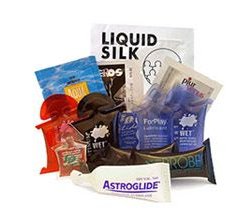
IRMA and researchers at the University of California, Los Angeles (UCLA) School of Public Health are conducting a brief survey to help better understand the types of products people use rectally for anal sex including lubricants and enemas or douches.

Take the survey in English, Spanish, French, Chinese, or Russian
.

They're trying to gain a better understanding of rectal practices and behaviors that may affect the risk for sexually transmitted infections among people who practice anal intercourse and hope you - yes YOU - will fill out this brief anonymous survey (estimated time to complete: less than 15 minutes).

Please take the survey NOW and share this link widely!

Tuesday, June 28, 2011

The people working to keep your booty....Bootylicous

via POZ Magazine, By Trenton Straube


This  except is from an article written on the International Rectal Microbicide Advocates (IRMA). This group are the leaders in the fight for better technology that would protect your booty from HIV.

Can lubes increase the risk of HIV during anal sex?

A slew of recent studies suggest that using lubes for unprotected anal sex may increase the risk of HIV, and that some lubes may harm the rectum’s thin protective layer of cells (the epithelium). It’s premature to know which brands to avoid, says Marc-AndrĂ© LeBlanc, a lube advocate with the International Rectal Microbicide Advocates (IRMA). Most research has been done in laboratories, and it isn’t certain whether the findings translate to humans—or whether the products’ lubricating benefits outweigh their potential harm.

But one fact is certain: “The best way to prevent acquiring HIV and STIs [sexually transmitted infections] during anal sex is still using male or female condoms,” LeBlanc says. “And we know that using lubes with condoms decreases the risk of the condom slipping or breaking—a big bonus.”

In the meantime, here’s a highlight of what scientists are investigating and how lube qualities might affect the success of microbicides:
  • Polyquaterniums, a class of chemicals common in cosmetics, seem to increase HIV replication by almost four times in lab tests. A Population Council study found this ingredient in three of four HIV-enhancing Astroglide brand lubes: Astroglide Liquid, Astroglide Warming Liquid, Astroglide Glyercin & Paraben Free liquid and Astroglide Silken Secret

  • Osmolality refers to the concentration of salts, sugars and other substances (solutes) present in a lube. Hypo-osmolar lubes have a lower concentration of solutes than human cells and cause the cells to swell with water and burst. Hyperosmolar lubes cause cells to shrink and become brittle. Iso-osmolar lubes don’t affect cells because their concentrations are identical. Most water-based lubes are hyperosmolar and damaging.

  • pH balance is acidic in the vagina and neutral in the rectum. Many lubes are designed for the vagina—does the difference in pH mean they affect the rectum differently? 

  • Good and bad bacteria live in a delicate balance in the vagina and gut. Will disrupting this balance make the rectum more susceptible to HIV? 

  • Viscosity is the slippery quality that gives lube its feel and texture. Glycerin, in water-based lubes, adds to viscosity. It also makes lubes hyperosmolar—and destructive to epithelium. When a rectal microbicide now in trials proved harmful to the epithelium, researchers solved the problem by lowering the glycerin content


Read more. 

Friday, April 8, 2011

VIDEO: Doctor Ho and Andrew's Anus

via Pittsburgh's Positive OUTLook

Learn more about anal health from a hot doc and a sexy advocate.


Isn't Dr. Ho DREAMY??? Please sir, may we have another pap smear?

And of course, we LOVE our very own Mark Hubbard, the genius behind Andrew's Anus :) Make sure you check out the hole Andrew's Anus series, a first-booty perspective on anal health - there have been six installments so far, and more to come.


Wednesday, February 16, 2011

Lube Alert! Population Council Releases New Data on Safety of Lubes Used for Anal Sex

via AIDSmeds, by David Evans

A forthcoming research report suggests a number of personal lubricants can damage anal tissue cells and increase HIV replication, potentially heightening the risk of contracting HIV, notably if condoms aren’t used.

The “personal lubricant” market is a thriving one. One popular website sells 53 different brands, with many boasting several varieties. If you’d like one that tastes like fruit or chocolate, or adds the sensation of heat, you’ve got multiple options to choose from. The same goes for the degree of slipperiness, the type of sex you want to have, the ease of cleanup and, most important, condom compatibility.

What sexual accoutrement retailers can’t tell you is whether a lube will increase, decrease or have no effect on your chance of becoming infected with HIV if the condom breaks or you decide not to use a condom in the first place. Until recently, it wasn’t a question high on the list of researchers’ or manufacturers’ priorities—lubes are intended to keep condoms from tearing during sex, end of story. But for scientists at the Population Council, a New York City–based research organization at the forefront of HIV microbicide development efforts, the positive or negative effects of lubricants on HIV transmission has been a nagging issue for years.

New research results from the nonprofit organization suggest there may be reasons for concern. According to laboratory studies the group conducted—on schedule to be published in a forthcoming issue of AIDS Research and Human Retroviruses and currently available online—a large number of popular lubes may actually make it easier for HIV to get past the body’s defenses, notably during anal sex without a condom. Even more alarming is the finding that four lubes in particular cause HIV to reproduce up to four times faster than it does in the absence of such products.

Read the rest.

Read the Q&A on Lube Safety produced by IRMA - International Rectal Microbicide Advocates.

Tuesday, November 23, 2010

BIG: Trial Shows AIDS Pill Can Prevent HIV Among Gay Men

AIDS Drug Shown to Prevent HIV 
in Multinational Trial of HIV-Negative Gay Men

Data Suggests Need for Rectal Gel Option

[via our sister IRMA - International Rectal Microbicide Advocates]


Results of the world’s first efficacy trial of an HIV-prevention approach called oral pre-exposure prophylaxis, or PrEP, were released online in the New England Journal of Medicine today. Data from this trial, called iPrEx, indicated an estimated 43.8% reduction of new HIV infections among men who took an antiretroviral tablet daily to prevent HIV, compared to those who took a placebo pill.[Read the article.]

“This discovery alters the HIV prevention landscape forever. While this level of efficacy is relatively strong, PrEP is not quite ready for prime time and work remains before this strategy is rolled out. However, we are thrilled to have a new prevention option beyond male and female condoms visible on the horizon,” said Jim Pickett, Director of Advocacy at AIDS Foundation of Chicago and Chair of IRMA – International Rectal Microbicide Advocates.

The iPrEx trial evaluated the safety and efficacy of the antiretroviral (ARV) drug TDF/FTC (brand name Truvada) taken once daily for HIV prevention among HIV-negative gay men, transgender women, and other men who have sex with men (MSM).

The participants, 2,499 in all, included individuals from Peru, Ecuador, Brazil, South Africa, Thailand and the United States. Half the men were randomized into the active arm that received Truvada, and the other half were randomized into the placebo arm and received a look-alike pill with no active ingredient. The participants and the researchers did not know who was in either arm.

Enrollment for the trial began in June 2007 and was completed in December 2009. The primary analysis of the results released today includes participants who were followed until May 1, 2010, or for an average of 14 months.

Each participant was tested for HIV at monthly trial visits and given intensive pre-and-post test counseling. Additionally, they were regularly screened for sexually transmitted infections and received condoms, making up a very robust prevention package.

At the end of the trial, there were 36 infections in participants who received Truvada and 64 in recipients who took the placebo. Researchers calculated that the use of Truvada reduced new HIV infections by an estimated 43.8% overall when compared to placebo. While there appeared to be few side effects reported by the men who were taking the Truvada tablet, it is clear that much more information is needed regarding long term safety of this drug.

Other PrEP trials are ongoing. Results from studies among heterosexuals in Africa and injection drug users in Thailand are expected next year.

It is important to emphasize the factors that led to successful use of Truvada to prevent HIV in iPrEx. Taking the pill regularly was one of the most important. Efficacy appeared to be higher among those participants who took the study drugs consistently. Men who did not take the pill regularly did not see a protective benefit. Regular HIV testing and ongoing monitoring by a physician was also critical. For this strategy to work, each of these pieces, including a doctor’s prescription, need to be in place.

“The study team found that about half of the men in the active arm of the trial were in fact not taking their pills regularly, if at all,” said Pickett. “It is not clear why this happened, but it certainly suggests that alternate means of using ARVs to prevent HIV infection may be more acceptable for these men. The primary means of transmission among gay men and other MSM is through unprotected anal intercourse. If we develop an ARV as a gel or lubricant applied rectally – a rectal microbicide – it could be more acceptable for some individuals who don’t like taking pills.”

Many gay men and other MSM already use lubricants for anal intercourse, so they wouldn’t have to modify their behavior to achieve higher levels of protection with a rectal microbicide formulated as a lubricant. Adopting a new behavior—such as taking a pill every day—can be a considerable challenge for some.

Dr. Ian McGowan, one of the principal investigators of the Microbicide Trials Network and Scientific Vice Chair of IRMA agreed. "The data from the iPrEx study are encouraging but the less than ideal adherence rate to oral PrEP clearly show that we need additional prevention approaches such as rectal microbicides that could be used by men and women at risk of HIV infection through unprotected receptive anal intercourse," he said.

The world's third rectal microbicide trial is currently underway with sites in Pittsburgh, Pennsylvania; Boston, Massachusetts; and Birmingham, Alabama. Scientists are testing the rectal safety and acceptability of tenofovir gel, a microbicide developed for vaginal use that has shown promise for preventing HIV through vaginal intercourse. Depending on the outcome of this new study, tenofovir gel could be further evaluated to determine if it can reduce the risk of HIV among both men and women who engage in receptive anal intercourse.

This new Phase I rectal microbicide study, known as MTN-007, aims to determine if rectal use of tenofovir gel is safe, and in particular, does not cause cells in the rectum to become more vulnerable to HIV. Investigators will also ask trial participants questions regarding the gel's desirability. The trial is planning to recruit a total of 60 men and women.

While the rectal microbicide field has gained significant momentum, more focus and resources are needed. In 2010, U.S. $7.2 million is being spent globally on rectal microbicide research. IRMA has calculated that annual investments must increase by 40% from 2011 – 2014, to U.S. $10 million/year and must increase further to U.S. $44 million (a six-fold increase) in the years 2015 – 2020. These targets need to be met to ensure a minimum of candidate products are moving through the research pipeline into late stage testing for effectiveness.

Just as we use a combination of drugs to treat individuals living with HIV, we need a combination approach to prevention. That approach should include male and female condoms, sterile syringes, and access to treatment as well as new interventions like PrEP, topical microbicides, and vaccines. Adequate funding must continue for all of the methods we currently have, and it must continue for the new strategies that are still being developed as well.

In a global context where millions of individuals do not have access to life saving medications, it is imperative that funding provided for PrEP accessibility not compete with funding for treatment. Treatment funding has not kept pace with the need.

IRMA congratulates the trial sponsors, scientific collaborators and partners who conducted this landmark trial, with special thanks to the 2,499 participants in the study who volunteered so much of their time and energy. Their extraordinary contribution to HIV prevention science brings us another step closer to a day without AIDS, and for that we are supremely grateful.

Friday, October 15, 2010

IRMA releases lube safety documents; helps explain current research


Yesterday, our friends at IRMA (International Rectal Microbicide Advocates) released two important documents to help you gain a better understanding of the safety issues around lubricants used for anal intercourse. You may remember that some new research came out in May that threw into question the the safety of the lubes we're putting up our booties.

Many men, women and transgender people use lubricants (lubes) during sexual intercourse. Yet we know very little about their safety when used during anal intercourse (AI).

Very few studies have examined the effect of lubes on human rectal tissue, but those that did showed mixed results. Most water-based lubes tested in these studies were shown to be damaging to rectal tissue. However, some lubes were more damaging than others. Furthermore, in one study the use of lube for AI was associated with the presence of rectal sexually transmitted infection (STI).

Based on current evidence:
  • More research is urgently needed to explore if there is a link between lube use and acquiring HIV and/or rectal STIs.
  • It is unclear whether any particular type or brand of lube might increase, decrease or have no effect on acquiring HIV and/or rectal STIs.
  • Using male or female condoms is still considered the best way to prevent acquiring HIV and STIs during AI. In addition, the use of condom-compatible lubes has been associated with a decreased risk of condoms breaking or slipping.
  • It is not possible at this time to recommend for or against using lubes if having AI without condoms.
  • Lube use on its own is not a proven method of HIV or STI prevention.
For more detailed information:

Wednesday, October 13, 2010

YAY for the world's third rectal microbicide trial

This brings us another step closer to the development of safe and effective rectal microbicides for use during anal intercourse.


The world's third rectal microbicide trial launched in Pittsburgh, Pennsylvania today, with sites preparing to open in Boston, Massachusetts, and Birmingham, Alabama soon. Scientists will test the rectal safety and acceptability of tenofovir gel, a microbicide developed for vaginal use that has shown promise for preventing HIV through vaginal intercourse. Depending on the outcome of this new study, tenofovir gel could be further evaluated to determine if it can reduce the risk of HIV among both men and women who engage in receptive anal intercourse.

"International Rectal Microbicide Advocates (IRMA) congratulates the Microbicide Trials Network and its partners on the launch of this very important study – the third Phase I trial in history to look at the safety and acceptability of a microbicide gel applied rectally," said Jim Pickett, IRMA Chair and Director of Advocacy at AIDS Foundation of Chicago. "This brings us another step closer to the development of safe and effective rectal microbicides for use during anal intercourse," he said.

Condoms are considered the gold standard for the prevention of HIV and STDs during sexual intercourse, but not all receptive partners are able or willing to use condoms every time. An act of anal intercourse that is not protected by a condom is 10 to 20 times more likely to result in HIV transmission compared to an act of unprotected vaginal intercourse, due to the fragility of the rectal lining and the large presence of cells targeted by HIV. New methods to protect against the sexual transmission of HIV are urgently needed. Strategies beyond condoms – such as vaccines, oral prevention, and microbicides – will provide individuals with more prevention options.

Microbicides – substances applied topically on the inside of the rectum or vagina – could potentially help prevent the transmission of HIV. The research and development of vaginal microbicide candidates is much more advanced than research on rectal microbicides. Tenofovir gel, for example, is a candidate microbicide specifically developed to prevent vaginal transmission of HIV. In a recent study known as CAPRISA 004, tenofovir gel was found to significantly reduce the risk of HIV among at-risk women who were instructed to use the gel before and after vaginal intercourse. In an ongoing, large-scale effectiveness trial called VOICE – Vaginal and Oral Interventions to Control the Epidemic – researchers from the U.S. National Institutes of Health-funded Microbicide Trials Network (MTN) are testing daily use of tenofovir gel in African women, with results expected in 2013.

This new Phase I rectal microbicide study, known as MTN-007, aims to determine if rectal use of tenofovir gel is safe, and in particular, does not cause cells in the rectum to become more vulnerable to HIV. Investigators will also ask trial participants questions regarding the gel's desirability. MTN-007 will enroll 60 men and women at the University of Pittsburgh, the University of Alabama at Birmingham, and Fenway Health in Boston. Leading the study is Ian McGowan, M.D., Ph.D., of the University of Pittsburgh, who is also co-principal investigator of the MTN and serves as Scientific Vice-Chair of IRMA.

Little is known about tenofovir gel used rectally, but science is advancing our understanding. Laboratory and animal studies involving rectal application of tenofovir gel have suggested it's safe for testing in humans. In fact, MTN researchers have just completed the first Phase I trial with eighteen participants, called RMP-02/MTN-006, in collaboration with the Microbicide Development Program at the University of California, Los Angeles. While results of RMP-02/MTN-006 are not expected until early 2011, researchers have already recommended modifications to the gel's formulation. MTN-007 is evaluating the new formulation, which still contains the same amount of active drug – 1% percent tenofovir – but has a lower concentration of glycerin (an additive found in many types of products) to make it more amenable for rectal use.

"It is very encouraging to see the rectal microbicide field moving forward," said IRMA Community Vice-Chair Kadiri Audu, who also heads up the IRMA Nigeria chapter, "and I look forward to trials taking place in Africa as well." He continued, "Gay men and other men who have sex with men in Africa have high rates of HIV infection, and we know unprotected heterosexual anal sex is relatively common on the continent and contributes a sizable number of HIV infections. As much as we need vaginal microbicides to give women an extra prevention tool, rectal microbicides for the women, men, and transgender individuals who engage in anal intercourse are absolutely essential as well."

While the rectal microbicide field has gained significant momentum, more focus and resources are necessary. In 2010, U.S. $7.2 million is being spent globally on rectal microbicide research. IRMA has calculated that annual investments must increase by 40% from 2011 – 2014, to U.S. $10 million/year and must increase further to U.S. $44 million (a six-fold increase) in the years 2015 – 2020 to ensure a minimum of candidate products are moving through the research pipeline into advanced testing for effectiveness.

Read the press release from the MTN:
Promising HIV prevention microbicide tenofovir gel being tested for safety of rectal use

[IRMA is a global network of more than 1,000 advocates, scientists, policy makers and funders from six continents working together to advance a robust rectal microbicide research and development agenda. IRMA is based in the United States at the AIDS Foundation of Chicagowww.aidschicago.org – with chapters in Latin America and Nigeria. For further information on IRMA click here and read IRMA's new report, From Promise to Product: Advancing Rectal Microbicide Research and Advocacy. The report provides an overview of the maturing rectal microbicide field, updates the resource tracking exercise IRMA last conducted in 2006, and lays out global advocacy goals and objectives.]

Monday, July 19, 2010

Vienna AIDS 2010 - Gay Days with Vlogger Mark King

"My Fabulous Disease" - a delicious video blog by LifeLube pal Mark King,  is posting daily from AIDS 2010, and this entry takes you to the Global Forum on MSM and HIV's ("Gay Day") pre-conference in Vienna. Workshops on aging, the role of HIV+ gay men in leadership, rectal microbicides, and interviews with advocates from around the world are included.

Wednesday, July 7, 2010

Peter, I need some info on the safety of lubes, lubricated condoms, and SKYN!

[Peter Pointers is here 4 YOU, as a service to LifeLube readers - whatever question you may have regarding sexual health, physical health, mental/emotional and spiritual health - ask him. He will find the answers you are looking 4. helped by a team of experts. Below is a recent Q&A you may be interested to read.]


 Question:  I have recently read that a study indicates that the most common lubes can cause anal tissue damage, and that the brands that do not cause such damage are PRe and Platinum Wet.  So, I am switching to these.  However, most condoms come pre-lubed, and there is no information on what they are lubed with. Do you recommend using non-lubed only, and using the safest lubes, or is there so little lube on the lubed condoms for it to be inconsequential?

Also, when I went to get the new (and much more expensive) lube, a clerk steered me to a new type of condom, SKYN by Lifestyle.  On their web page they discuss polyisoprene and polyurethane condoms as alternatives to latex. I have gotten myself through the AIDS epidemic without infection thanks to latex, but the clerk says these new non-latex condoms feel better, and I'd like to go with them, but is there research about how they hold up in anal intercourse?  What do you think are the best condoms for safety?


Answer: Thank you for your question.  I'm happy that you have been so successful with condom use throughout the last few decades.  Keep that up - because despite anything we talk about here, that is still your best security against HIV and other infections.

Regarding the recent studies looking at lubricants and anal tissue, the jury is still out. It sounds like you have a good grasp of what the studies found, but there is a lot of information that remains missing.  In fact, Beau Gratzer, the Director of HIV/STD prevention at Howard Brown Health Center states, "we do not have enough info/data to make definitive statements one way or the other about the safety of specific lubes" based on the two recent studies.

And Jim Pickett, Director of Advocacy at the AIDS Foundation of Chicago and chair of IRMA -  International Rectal Microbicide Advocates, agrees, "We are not sure if the lab findings translate into the real world. And the epidemiological study (which showed a correlation between lube use and rectal sexually transmitted infections among respondents in LA and Baltimore, whether condoms were used or not) did not have enough info on the lubes used to make any conclusions."

There certainly needs to be more investigating!

So what do we know?

-One of the most important messages from both of the above professionals is that, regardless of what lube you use, your history of successfully using condoms has been the most critical protective factor for you.  Using condoms with lube is still the gold
standard for protecting oneself because lube prevents condom breakage.

-The finding of the studies, while incomplete, are most important to situations where condoms are used inconsistently, incorrectly, or not at all.

-Definitely, it is important to avoid any lubricants containing Nonoxyl-9 (N-9), which years ago, was found to be damaging to anal linings.  Some condom companies (Trojan and Lifestyles) do still have N-9 in their condoms.  So, avoid any condoms containing N-9 or other spermicides. Spermicides do not kill HIV or other STDs.

There are many reasons why the research into lubricants is difficult. I have a rather lengthy statement from IRMA, a group that does a lot of advocacy around anal lubricants.  I would be happy to share it if you want more information.

Now, regarding condoms that are pre-lubed, I am unable to find much information on the specific lubes that they use.  Their product websites may give a little more info, but they do not tell what the specific chemical make-up is or what the specific brand they use is.

About the second part of that question:

The SKYN condom is a -plastic- condom, so it is a little different that latex. Polyurethane and polysoprene condoms were originally developed for people that suffer from a latex allergy.  All three of these condoms are effective at preventing HIV/STDs and are approved by the FDA.  Polysoprene is a little stretchier than the polyurethane condoms that were the earlier alternative to latex.  Non-latex condoms also conduct heat better than latex, so some people prefer them.  Feel free to try out the SKYN condom if you'd like.  Just like with latex condoms, using lube will reduce the chances that it will break.  There is lots of information out there about the differences in these condoms, so feel free to read more here [sorry for the pregnancy/heterosexist viewpoint] and here.


Be Well,
Peter
Peter Pointers on LifeLube, Friend Peter on Facebook


What do  you think about the advice Peter Pointers gives?   
We'd like to learn what you think by taking this very short survey
Please take a couple seconds and fill it out. Thank you!

Friday, June 18, 2010

Got Lube? Sure, but is it safe?

via Windy City Times, by Bob Roehr

Water-based lubes that scored poorly were Astroglide, Elbow Grease, ID Glide and K-Y Jelly. 


New research has found that some lubricants used in anal or vaginal sex can cause damage to those tissues that can leave people more vulnerable to sexually transmitted infections, including HIV. 

Surprisingly, this is the first time that anyone has even looked at the question of whether basic sexual lubricants can cause damage to rectal tissue. The studies were presented at the Microbicides 2010 conference in Pittsburgh at the end of May.

Read the rest.

[More lube info/discussion here, on the International Rectal Microbicide Advocates' blog.]


Monday, May 31, 2010

Understanding New Research on Lubricant Use During Anal Intercourse

[great article - a must for anal sex enthusiasts!]


via About.com's Sexuality Blog, by Cory Silverberg

Excerpt:
As usual, sexual pleasure isn't being talked about at all, and this too needs to be addressed in both the conducting and reporting of future research. The end goal of all this research is awareness of risk and behavior change. We aren't talking about dental hygiene here. We are talking about activities people engage in for a reason, and sexual pleasure is often part of that reason. To talk about anal intercourse and lubricant, particularly to talk about lube as a risk factor, outside of the context of pleasure makes sense only in the lab, only in theory. It doesn't matter how good the research is, if you want to affect change in people's lives, you have to speak to us in a way that we can connect with. If the only argument you make for behavior change is numeric, it might scare us for about three minutes, but it's not likely to help us at all.
Read the whole thing.

Thursday, May 27, 2010

LUBE MANIA!

The whirlwind of anal lubricant news - let's get a grip!

via the International Rectal Microbicide Advocates (IRMA)

Many of you have likely come across some new research that was recently presented at the Microbicides 2010 conference calling into question the safety of lubricants used for anal sex.

Check out this post from IRMA for some important context/perspective. And keep your panties un-bunched and the pearls un-clutched.

Saturday, May 22, 2010

In the pipeline - NEW WAYS TO TAKE IT beyond condoms

*currently in development a rectal microbicide is an agent that could be formulated as a lubricant, gel, douche, or an enema and used rectally to reduce a person’s risk of HIV infection. Rectal microbicides could offer both primary protection in the absence of condoms and back-up protection if a condom breaks or slips off during anal intercourse. learn more about rectal microbicides here.


International Rectal Microbicide Advocates Release 
Update on New HIV Prevention Technology  

New Report Outlines the Growing Field of 
Rectal Microbicide Research and Development


Chicago -- International Rectal Microbicide Advocates (IRMA) will officially release its third landmark report -- "From Promise to Product: Advancing Rectal Microbicide Research and Advocacy" -- at the 2010 International Microbicides Conference in Pittsburgh, PA taking place May 22-25, 2010. The ambitious, comprehensive document reports on the growing scientific activity in the rectal microbicide field, capturing the optimism among researchers and advocates alike as the field sets its sights on the development of safe and effective rectal-specific products that will provide protection against HIV during anal intercourse.

Additionally, IRMA continues to call for a Global Rectal Microbicide Development plan by which stakeholders can coordinate efforts across the full range of scientific activities, developing strategies and setting priorities. Such a plan does not yet exist.

Dr. Ian McGowan, Scientific Vice-Chair on the IRMA Steering Committee and co-Principal Investigator of the Microbicide Trials Network says, "A detailed map such as a Global Rectal Microbicide Development Plan is absolutely necessary if we are going to make the best use of each and every research dollar in this time of global recession and constricted resources."

An updated resource tracking of funds specifically allocated to rectal microbicide research and development -- the only such exercise -- is followed by a call for escalating funding over the next 10 years and for increased diversity in the funding portfolio as well. The United States National Institutes of Health currently provides over 90% of global resources devoted to rectal microbicide activities, and nations of the European Union and global philanthropic organizations need to support this critical work as well.

"Increased funding is also needed for IRMA. We maintain an enormous global footprint and are the only advocacy group focused on rectal microbicides in the world -- and we achieve this with inadequate resources," says IRMA Chair and Director of Advocacy for the AIDS Foundation of Chicago Jim Pickett. "Our work must be valued and supported if we are to continue uniting AIDS advocates, scientists, and policy makers around the globe to bring safe and effective rectal microbicides to market as well as to confront the homophobia, gender inequities, human rights, stigma, and denial that must be addressed to make sure such products will be used."

[The full report is available online in both English and Spanish.Lear more about IRMA and help make rectal microbicides a reality for the millions of men, and women, who have anal sex around the world.]

Wednesday, April 29, 2009

He put his ass on the line for research - literally!


There I was naked, cold, wet from lube, asshole hurting, with three people I barely knew.


Scott Wilfong describes his experience in rectal microbicide studies at Johns Hopkins
via IRMA - International Rectal Microbicide Advocates

Let me begin by saying, if you are looking for a really good conversation topic, especially on a first date, get yourself involved in the rectal microbicide studies at Johns Hopkins.

It is a quick and easy way to gage one’s comfort level in talking about anal sex and more importantly, research development that may, in fact, save the lives of others someday in the future.

What’s not to be excited about!?

If only I had a snapshot photo of everyone’s first expression upon telling them the in’s and out’s (no pun intended) of my experience with rectal microbicide research. Some people laugh immediately, some cringe, some have a shocked look, and others stare at me with total disbelief, inquiring about actual proof to something that seems so out of the box for them. For many, it is the first time they have ever heard the word microbicide, let alone microbicide research. Believe me my knowledge is somewhat limited when specifically talking about the medical component of this particular research. So, I try to explain it the best I can with a lean towards the importance of this type of research, the extraordinary doctors that are the so passionate about this research, and the extremely important benefits of microbicide development for the lives of many people in the future.

Read the rest on the IRMA blog.

Thursday, December 4, 2008

Anal Cancer and Rectal Microbicides


Around 150 LifeLube lovelies joined us for the Tunnel of Love/Feast of Fools podcast community forum on November 18 at the Center on Halsted. A booty health topic of great interest was anal cancer - and LifeLube is happy to share a journal article on the subject (below) that ALL GAY MEN should read and print out for their doctors. Also, see below a new journal article on rectal microbicides, another topic of interest at the Tunnel of Love forum.

And if you missed the live podcast taping, no worries, the podcast is available here on the Feast of Fools website.


Click Rectal microbicides: a new focus for HIV prevention
by Dr. Ian McGowan
November 2008 - Sexually Transmitted Infections
Sex Transm Inf 2008;84;413-417

Click Anal cancer prevention: how we are failing men who have sex with men
by Dr. Ross Cranston
November 2008 - Sexually Transmitted Infections
Sex Transm Inf 2008;84;417-419

[print this out for your doc!]


For more info on rectal microbicides, visit the International Rectal Microbicide Advocates.


Thursday, August 28, 2008

Fuck safer - options beyond latex are in the works


What is a rectal microbicide?

Currently in development, a microbicide is a cream or gel, or maybe a douche or an enema, that could be used to reduce a person’s risk of HIV infection vaginally or rectally. Rectal microbicides could offer both primary protection in the absence of condoms and back-up protection if a condom breaks or slips off during anal intercourse. For those unable or unwilling to use condoms, rectal microbicides could be a safe and effective alternative means of reducing risk, especially if they were unobtrusive and/or enhanced sexual pleasure enough to motivate consistent use. Such alternatives are essential if we are to address the full spectrum of prevalent sexual practices and the basic human need for accessible, user-controlled HIV and STD prevention tools.

Who is IRMA?

Since its creation in 2005, International Rectal Microbicide Advocates (IRMA) has seen significant growth and success. Convened by the
AIDS Foundation of Chicago, the Canadian AIDS Society, the Community HIV/AIDS Mobilization Project and the Global Campaign for Microbicides, IRMA is currently a network numbering over 600+ advocates, policymakers and leading scientists from 50+ countries on six continents (indicated by the countries in color above) working to advance a robust rectal microbicide research and development agenda.

Monday, August 4, 2008

Brit Chicks I Fancy - live from Mexico City


LifeLube's Jim Pickett, coming to you live from Mexico City, at the International AIDS Conference.

Read his post on the aforementioned chicks aqui... - on the Positively Aware blog. One, btw, is a rather famous female singer, right out of a sweet dream.

[pictured above, Pickett and one of the chicks (at left) with two other very cool lasses, at the TGI Fridays of Mexico -Sanborn's - having a cerveza and some chilequiles - and scheming.)

Check out the conference community blog - some great stuff there.

Wednesday, June 18, 2008

The Future of Sex from New Delhi to Chicago - NEXT WEEK

Direct from Delhi - Microbicides 2008 Comes to Sweet Home Chicago


RSVP - it's FREE.

NEXT WEEK
Wednesday June 25, 2008
6:00-8:00 p.m.

University Center
525 S. State Street
Chicago

Please join the Chicago Women and Girls HIV Prevention Coalition and the International Rectal Microbicide Advocates for this exclusive update from across the globe on the current developments in microbicide research and advocacy - direct from the Microbicides 2008 conference held in New Delhi, India.

Microbicides are products currently in development that a person could use to reduce her or his risk from infection of HIV and other STDs.

RSVP - it's FREE.

This dynamic event will feature microbicide advocacy leaders:

Latifa Boyce
Alliance for Microbicide Development

DĂ¡zon Dixon Diallo
SisterLove, Inc.

Jim Pickett
International Rectal Microbicide Advocates
AIDS Foundation of Chicago


Related Posts Plugin for WordPress, Blogger...

select key words

2007 National HIV Prevention Conference 2009 National LGBTI Health Summit 2011 LGBTI Health Summit 2012 Gay Men's Health Summit 2012 International AIDS Conference ACT Up AIDS AIDS Foundation of Chicago Africa BUTT Bisexual Bisexual Health Summit Brian Mustanski Center on Halsted Charles Stephens Chicago Chicago Black Gay Men's Caucus Chicago Task Force on LGBT Substance Use and Abuse Chris Bartlett Coaching with Jake Congress David Halperin David Munar Dr. James Holsinger Dr. Jesus Ramirez-Valles Dr. Rafael Diaz Dr. Ron Stall ENDA Ed Negron Eric Rofes FTM Feast of Fun Feel the love... Friday is for Faeries Gay Men's Health Summit 2010 HCV HIV HIV care HIV drugs HIV negative HIV positive HIV prevention HIV stigma HIV strategic plan HIV testing HIV/AIDS HPV Howard Brown Health Center IML IRMA Illinois International AIDS Conference Jim Pickett LGBT LGBT adoption LGBT culture LGBT health LGBT rights LGBT seniors LGBT youth LGBTI community LGBTI culture LGBTI health LGBTI rights LGBTI spirituality LGV Leon Liberman LifeLube LifeLube forum LifeLube poll LifeLube subscription Lorenzo Herrera y Lozano Lymphogranuloma Venereum MRSA MSM Monday Morning Perk-Up National AIDS Strategy National Gay Men's Health Summit One Fey's Tale Peter Pointers Pistol Pete PnP PrEP President Barack Obama Presidential Campaign Project CRYSP Radical Faerie STD Senator Barack Obama Sister Glo Sisters of Perpetual Indulgence Susan Kingston Swiss declaration Ted Kerr Test Positive Aware Network The "Work-In" The 2009 Gay Men's Health Agenda Tony Valenzuela Trans Gynecology Access Program Trans and Intersex Association Trevor Hoppe Who's That Queer Woof Wednesday You Tube abstinence only activism advocacy african-american aging issues anal cancer anal carcinoma anal health anal sex andrew's anus athlete ball scene bareback porn barebacking bathhouses bears big bold and beautiful bisexuality black gay men black msm blood ban blood donor body image bottom chubby chaser circumcision civil rights civil union communication community organizing condoms crystal meth dating dating and mating with alan irgang depression disclosure discrimination domestic violence don't ask don't tell douche downlow drag queen emotional health exercise female condom fitness gay culture gay identity gay latino gay male sex gay marriage gay men gay men of color gay men's health gay pride gay rights gay rugby gay sex gay youth gender harm reduction hate crime health care health care reform health insurance hepatitis C hiv vaccine homophobia homosexuality hottie hotties how are you healthy? human rights humor hunk immigration international mr. leather internet intimacy leather community leathersex lifelube survey love lube lubricant masturbation mental health microbicides middle music negotiated safety nutrition oral sex physical health pleasure podcast policy politics poppers porn post-exposure prophylaxis prevention prostate prostate cancer public health public sex venues queer identity racism recovery rectal microbicides relationships religion research safe sex semen sero-adaptation sero-sorting seroguessing sex sexual abuse sexual addiction sexual health sexual orientation smoking social marketing spirituality stigma stonewall riots substance abuse treatment substance use suicide super-bug superinfection syphilis testicle self-examination testicular cancer testing top trans group blog transgender transgender day of remembrance transgendered transmen transphobia transsexual universal health care unsafe sex vaccines video violence viral load writers yoga youtube